

Oregon Mushroom Guide: An Overview
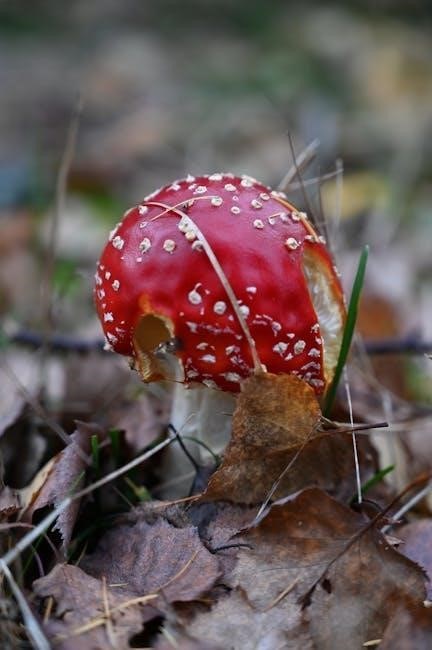
Oregon, a Pacific Northwest state, boasts incredible mycological diversity, offering a unique experience for mushroom enthusiasts. From coastal forests to Cascade Mountains,
the state’s varied landscapes support a wide array of fungal species, making it a premier destination for foraging and study.

Oregon’s remarkable biodiversity extends profoundly into its fungal kingdom, creating a haven for mycological exploration. The state’s geography – encompassing lush coastal rainforests, the rugged Cascade Mountains, and arid eastern plateaus – fosters an astonishing variety of mushroom species. This diversity is influenced by varying rainfall patterns, elevation changes, and the presence of numerous forest types, from old-growth conifers to deciduous woodlands.
Historically, mushrooms played a role in the diets of indigenous populations, and today, Oregon continues to be a focal point for both recreational and commercial mushroom harvesting. The state supports a vibrant community of mycologists, foragers, and enthusiasts dedicated to understanding and appreciating its fungal resources. From the prized chanterelles and morels to unique finds like lobster mushrooms and the highly aromatic matsutake, Oregon’s forests offer a captivating journey into the world of fungi. Understanding this diversity is crucial for responsible foraging and conservation efforts.
Identifying Common Oregon Mushrooms
Oregon’s forests yield diverse edible mushrooms, but accurate identification is paramount. Key species include chanterelles, morels, lobster mushrooms, and matsutake, each with unique characteristics.
Chanterelles: The Golden Delight
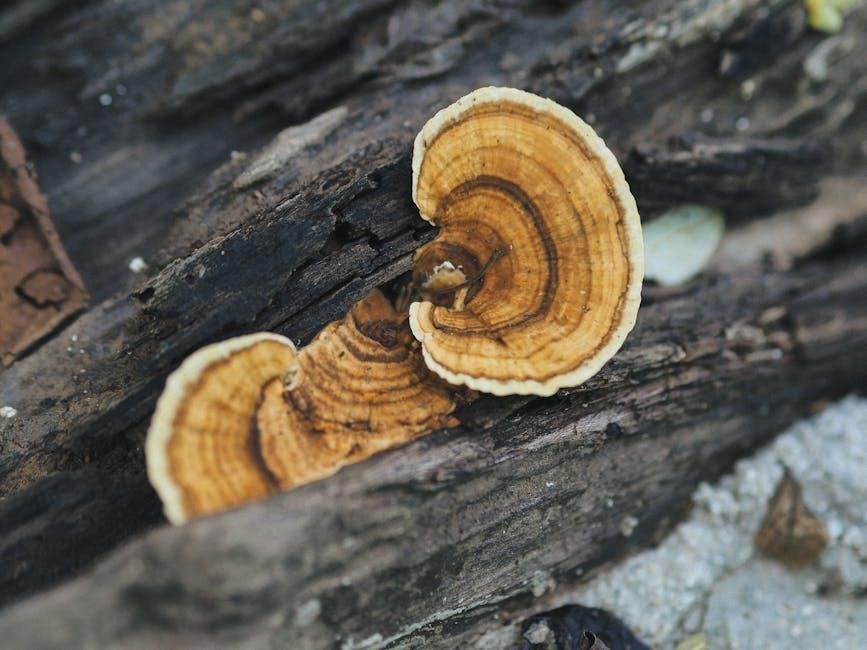
Chanterelles are arguably Oregon’s most celebrated wild mushrooms, renowned for their fruity aroma and vibrant golden hue. These mycorrhizal fungi form symbiotic relationships with tree roots, typically found in coniferous forests after substantial rainfall, often appearing from late summer through fall. Identifying chanterelles requires attention to detail; they possess false gills – blunt, forked ridges running down the stem – rather than true, sharply defined gills.
Their color ranges from pale yellow to a deep apricot, and they have a slightly peppered scent. Lookalikes exist, such as Jack O’Lantern mushrooms, which are poisonous and have true gills. Proper identification is crucial. Chanterelles are incredibly versatile in the kitchen, lending their delicate flavor to sauces, soups, and omelets. They are a prized find for both experienced foragers and culinary enthusiasts, embodying the essence of Oregon’s fungal bounty.
Morels: A Springtime Treasure
Morels represent a highly anticipated springtime delicacy for Oregon mushroom hunters. These distinctive fungi emerge after disturbances like forest fires or along decaying elm trees, typically appearing from April through June. Their conical, pitted caps resemble honeycombs, ranging in color from blonde to nearly black, depending on the species and growing conditions. Morels are saprophytic, meaning they obtain nutrients from decaying organic matter.
Identifying morels requires careful observation, as false morels exist, some of which are poisonous. True morels are hollow inside, while false morels often have a cottony or chambered interior. Morels possess a rich, earthy flavor that intensifies when cooked. They are often sautéed in butter, stuffed, or used to enhance creamy sauces. Finding morels is considered a rewarding experience, symbolizing the renewal of spring and the bounty of Oregon’s forests.
Lobster Mushrooms: A Unique Find
Lobster mushrooms (Hypomyces lactifluorum) are not a single species, but rather a parasitic fungus that attacks other mushrooms, primarily Russula and Lactarius species. This fascinating interaction results in a firm, reddish-orange mushroom resembling lobster meat – hence the name. Found in Oregon’s forests, typically during the fall, they are a prized find for foragers due to their unique texture and flavor.
The parasitic fungus alters the host mushroom’s structure, creating a dense, almost meaty consistency. Lobster mushrooms have a seafood-like aroma and a savory, slightly peppery taste. They are excellent sautéed, grilled, or used in seafood dishes, complementing their namesake flavor. Proper identification is crucial, as the host mushroom can sometimes be visible within the lobster mushroom’s structure. Foraging for these unusual fungi adds an exciting dimension to Oregon’s mushroom hunting adventures.
Matsutake: Highly Prized and Aromatic
Matsutake (Tricholoma matsutake) are among the most highly valued mushrooms in the world, and Oregon is a significant source, particularly for the Japanese market. These ectomycorrhizal fungi form symbiotic relationships with specific pine trees, making them challenging to find. Their distinctive spicy-aromatic fragrance, often described as resembling cinnamon or red fruit, is a key identifier.
Matsutake typically appear in the fall, concealed beneath layers of pine needles. Harvesting requires careful excavation to avoid damaging the delicate mycelium. Due to their high demand and limited supply, Matsutake command substantial prices. Experienced foragers often keep their locations secret. Proper identification is vital, as similar-looking, non-edible mushrooms exist. The economic importance of Matsutake contributes significantly to Oregon’s foraging culture and supports local economies.
Oregon Mushroom Hunting Regulations & Safety
Foraging in Oregon requires awareness of permits, licensing, and responsible practices. Prioritize safety by accurately identifying mushrooms and avoiding poisonous look-alikes to ensure a safe experience.
Permits and Licensing Requirements
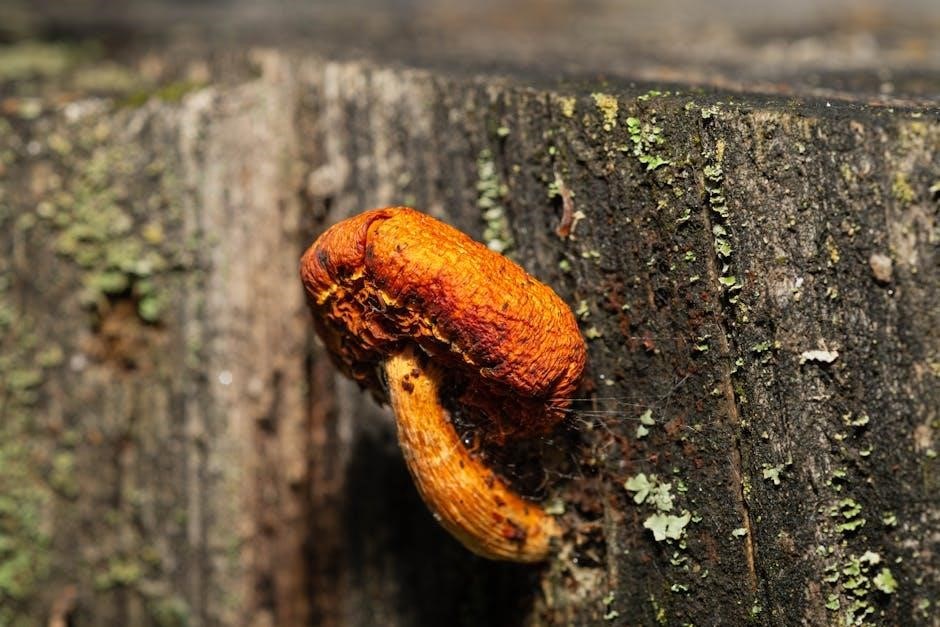
Mushroom hunting in Oregon generally doesn’t require a recreational permit for personal use on private land with owner permission. However, regulations shift dramatically when foraging on public lands managed by the Bureau of Land Management (BLM) or the U.S. Forest Service (USFS). These federal lands often necessitate a commercial permit, even if the harvest isn’t for resale, if it exceeds specified quantity limits.
Currently, a permit is typically required for collecting more than one pound of mushrooms per day. The specific rules, costs, and availability of permits vary significantly by forest and district. It’s crucial to contact the local ranger district office before heading out to ascertain the current requirements. Failure to comply can result in fines and other penalties.
Additionally, some state parks may have specific restrictions, so checking with the Oregon State Parks and Recreation Department is advisable. Always carry your permit while foraging and be prepared to present it to a forest officer if requested. Understanding and adhering to these regulations is vital for sustainable harvesting and responsible enjoyment of Oregon’s fungal resources.
Responsible Foraging Practices
Sustainable mushroom harvesting is paramount to preserving Oregon’s fungal ecosystems. Employing responsible foraging practices ensures future generations can enjoy this natural bounty. Always cut mushrooms cleanly with a knife, rather than pulling them up, to avoid damaging the mycelial network – the underground structure vital for regrowth.
Carry mushrooms in a basket or mesh bag, allowing spores to disperse as you walk, aiding in reproduction. Avoid compacting the soil around mushroom patches, and leave some mature specimens to release their spores. Be mindful of the surrounding environment, minimizing disturbance to plants and wildlife.
Never harvest mushrooms from areas known to be contaminated, such as roadsides or industrial sites. Respect private property and obtain permission before foraging. Practice “leave no trace” principles, packing out all trash and minimizing your impact. By adhering to these guidelines, you contribute to the long-term health and vitality of Oregon’s incredible mushroom populations.
Poisonous Look-Alikes: Avoiding Dangerous Mushrooms
Mushroom identification demands meticulous attention, as several edible species have dangerous look-alikes in Oregon. Galerina marginata, resembling edible Kuehneromyces mutabilis, contains deadly amatoxins. Similarly, some Lepiota species mimic edible parasols but are highly toxic.
Beginners should never consume a wild mushroom without 100% positive identification by an expert. Utilize multiple identification resources – field guides, online databases, and mycological society experts – to cross-reference characteristics.
Pay close attention to details like cap shape, gill attachment, stem features, and spore print color. Be wary of mushrooms with a volva (sac-like structure at the base) or a ring on the stem, as these often indicate toxicity. When in doubt, throw it out! Prioritize safety and avoid risking your health with uncertain identifications. Remember, eating wild mushrooms is a famously dangerous hobby.
Best Locations for Mushroom Hunting in Oregon
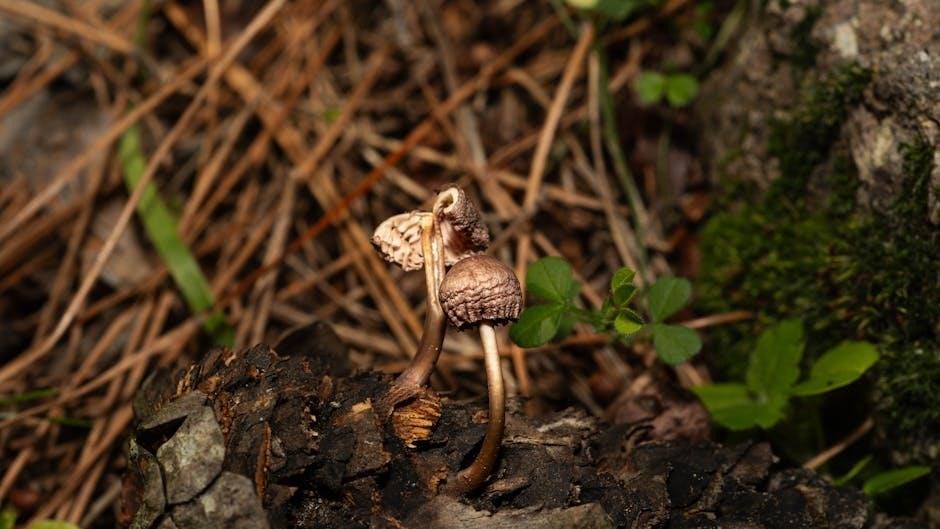
Oregon’s diverse regions – coastal forests, Cascade Mountains, and Eastern Oregon – offer unique habitats for various mushrooms. Explore these areas responsibly for a rewarding experience.
Coastal Forests: A Rich Habitat
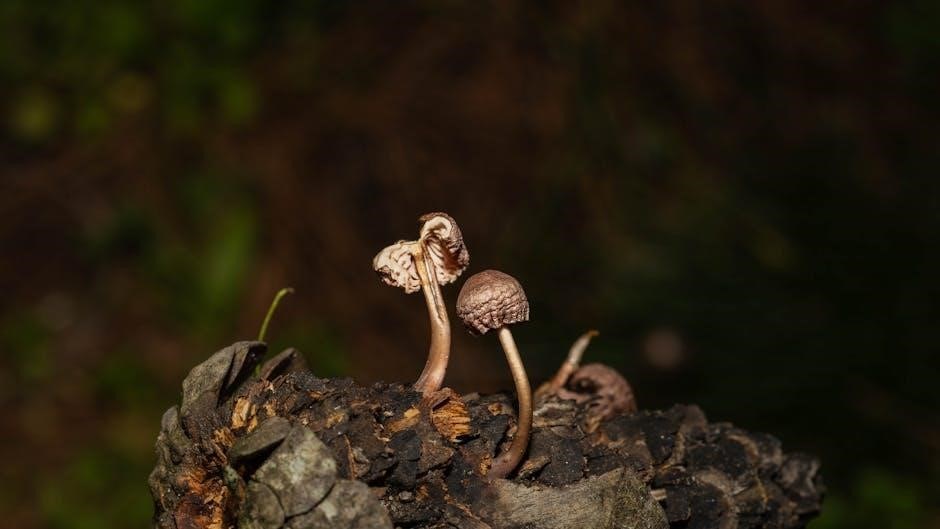
Oregon’s coastal forests present a remarkably rich habitat for mushroom hunting, benefiting from consistent moisture from Pacific storms and a diverse range of tree species. These forests, stretching along the coastline, are particularly renowned for their abundance of Chanterelles, flourishing in the understory of Sitka Spruce and Hemlock trees.
The damp conditions also support a variety of other edible species, including Lobster Mushrooms and various Boletus varieties. Successful foraging along the coast often requires navigating dense vegetation and understanding the impact of recent rainfall; Remember to check local regulations and obtain necessary permits before venturing into these areas.
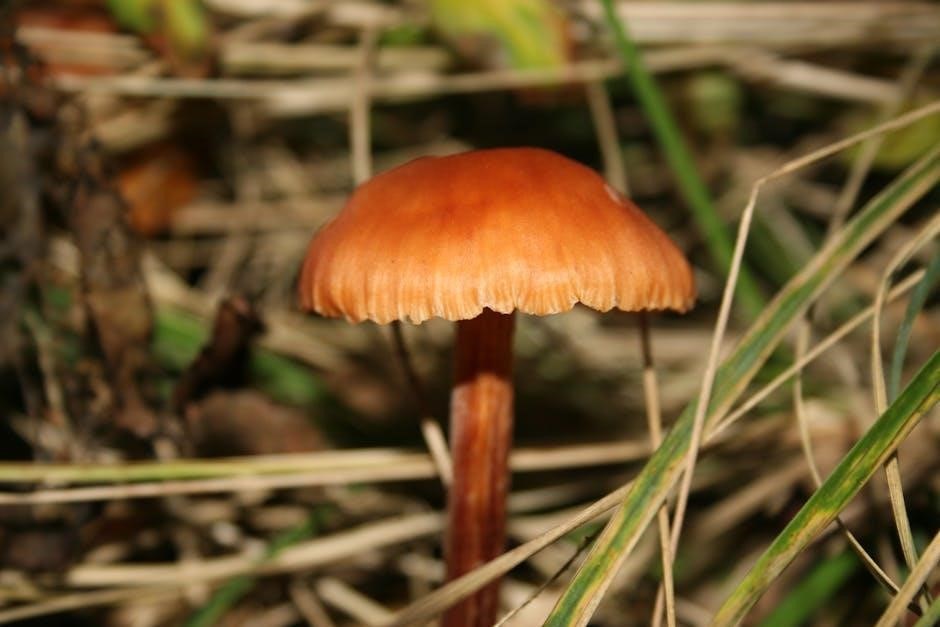
Coastal State Parks and National Forests offer accessible locations, but exploring further afield can reveal hidden gems. Be mindful of private property and practice responsible foraging by leaving no trace and preserving the delicate ecosystem for future generations. The combination of temperate climate and abundant rainfall makes Oregon’s coastal forests a prime destination for mushroom enthusiasts.
Cascade Mountains: High-Elevation Finds
The Cascade Mountains of Oregon offer a distinct mushroom hunting experience, characterized by high-elevation forests and unique microclimates. This region is particularly famous for Matsutake mushrooms, highly prized for their aromatic qualities and sought after by both local and international markets. Finding these treasures often requires venturing into subalpine forests of Lodgepole Pine and Mountain Hemlock.
Morels also appear in the spring following wildfires in the Cascade range, a testament to the forest’s regenerative power. The higher elevations experience a shorter growing season, so timing is crucial for a successful hunt. Be prepared for variable weather conditions and challenging terrain.
Access to prime mushroom spots often involves hiking and navigating steep slopes. Always check weather forecasts and inform someone of your plans before heading into the mountains. Responsible foraging practices are essential to protect these fragile ecosystems and ensure sustainable harvests for years to come.
Eastern Oregon: Desert Truffles and More
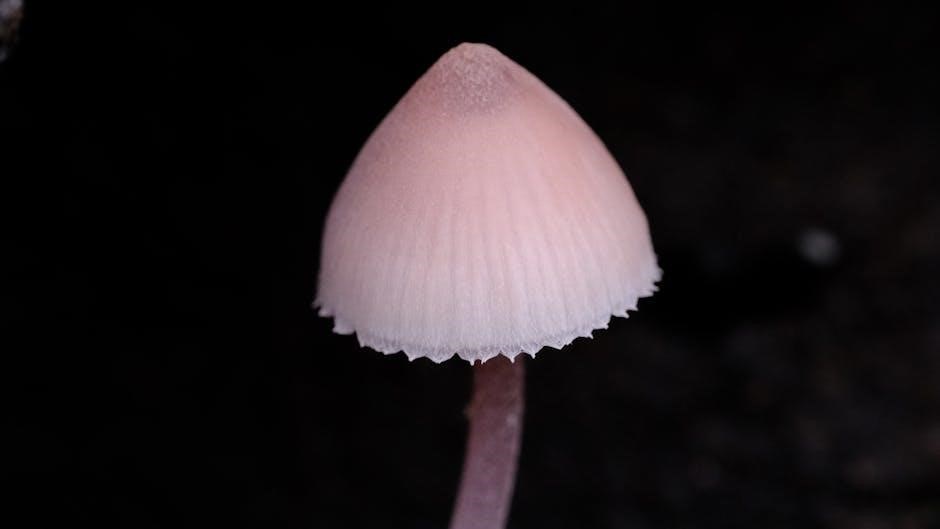
Eastern Oregon presents a surprisingly diverse mycological landscape, diverging sharply from the lush forests of the west. While not as prolific as coastal areas, this region harbors unique fungal species adapted to arid conditions. Desert truffles, subterranean fungi forming symbiotic relationships with juniper and ponderosa pine roots, are a notable find. These require specialized knowledge and often the assistance of a trained dog to locate.
Following significant rainfall, various boletes and puffballs can emerge in the scattered woodlands and grasslands. The high desert environment demands respect; conditions can be harsh, with extreme temperatures and limited water sources.
Foraging in Eastern Oregon requires careful planning and preparation. Be mindful of private land boundaries and obtain necessary permissions. The remoteness of the area also necessitates carrying ample supplies and informing someone of your itinerary. Discovering the hidden fungal treasures of Eastern Oregon is a rewarding experience for the adventurous mycologist.
Resources for Further Learning
Expand your knowledge with the Oregon Mycological Society, online identification guides, and comprehensive field guides. These resources offer valuable insights into Oregon’s fungi!
Oregon Mycological Society
The Oregon Mycological Society (OMS) stands as a cornerstone for mushroom enthusiasts and those seeking to deepen their understanding of fungi within the state. Established to promote the responsible study and enjoyment of Pacific Northwest mushrooms, the OMS offers a vibrant community for both beginners and experienced mycologists.
Membership provides access to a wealth of resources, including regular forays – guided mushroom hunting expeditions – workshops led by experts, and informative presentations covering identification, ecology, and cultivation. The society actively fosters education, emphasizing safe foraging practices and the importance of conservation.
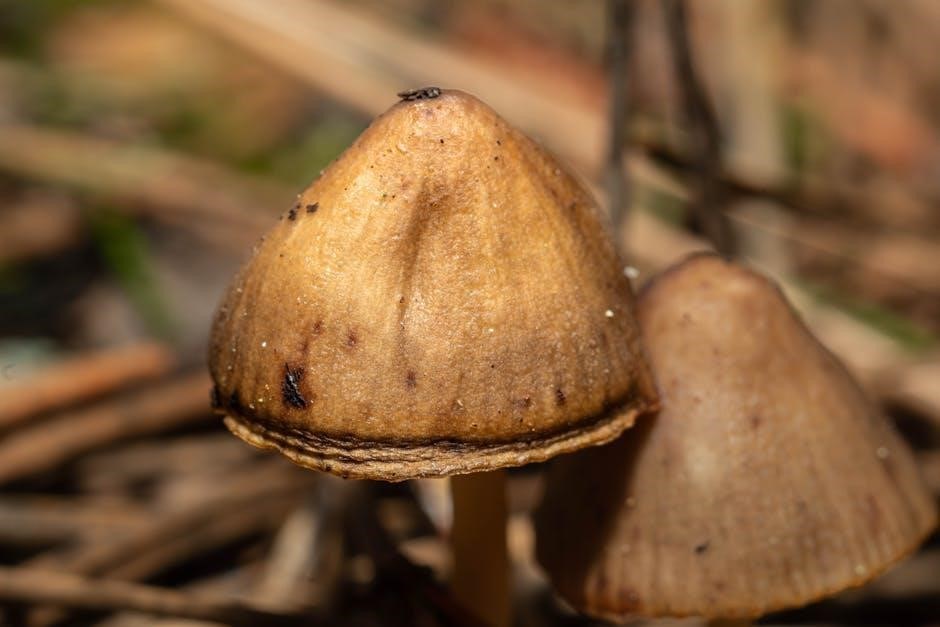
Beyond field activities, the OMS plays a crucial role in documenting Oregon’s fungal diversity and contributing to scientific knowledge. They frequently collaborate with researchers and land managers, promoting responsible stewardship of this valuable natural resource. Their website serves as a central hub for event schedules, identification resources, and community forums, making it an invaluable tool for anyone interested in Oregon’s fascinating world of mushrooms.
Online Mushroom Identification Guides
Numerous online resources assist in identifying Oregon’s diverse mushroom species, though caution and cross-referencing are always advised. Websites like Mushroom Observer and iNaturalist allow users to upload photos for community identification, providing a collaborative learning environment. However, relying solely on crowd-sourced identification can be risky.
More reliable options include dedicated mycological websites offering detailed descriptions, high-quality photographs, and information on habitat and seasonality. Several university extension programs also provide online guides specific to regional fungi, often including information on poisonous look-alikes.
It’s crucial to utilize multiple sources and compare information carefully. Pay close attention to details like cap shape, gill attachment, spore print color, and stem characteristics. Remember that online guides are tools to aid identification, not definitive answers; expert confirmation is always recommended, especially before consumption. Always prioritize safety and avoid eating any mushroom unless you are 100% certain of its identification.
Field Guides and Books
Comprehensive field guides and books remain invaluable tools for Oregon mushroom identification, offering detailed descriptions and illustrations not always found online. “Mushrooms of the Pacific Northwest” by Steve Trudell and Joe Ammirati is a highly recommended resource, specifically tailored to the region’s fungal diversity.
Other useful publications include “All That the Rain Promises and More…” by David Arora, a classic guide known for its accessible language and helpful identification keys. These books typically cover habitat, seasonality, edibility, and potential poisonous look-alikes, providing a more holistic understanding of each species.
When selecting a field guide, consider its focus on Pacific Northwest fungi and the quality of its illustrations. Carrying a physical guide during foraging trips allows for identification even without cell service. Supplementing book knowledge with online resources and expert guidance creates a robust learning approach, ensuring safe and informed mushroom hunting experiences in Oregon’s rich ecosystems.