
Dog Muzzle Size Guide: A Comprehensive Overview (Updated 12/19/2025)
Navigating dog muzzle sizing requires careful measurement and understanding brand variations․ Circumference is key, ideally 1-3 inches larger than the snout․
Charts are essential, but
sizes differ between models․
Understanding the Need for a Dog Muzzle
Dog muzzles, often perceived negatively, serve crucial roles beyond simply preventing bites․ While they can be vital for dogs with behavioral issues like aggression or reactivity, their applications extend far beyond these scenarios․ A muzzle can be a valuable tool during training exercises, particularly when introducing a dog to new stimuli or situations where controlled responses are necessary․
Furthermore, muzzles are essential for veterinary and grooming procedures, ensuring the safety of both the animal and the professionals handling them․ Even well-trained dogs can experience pain or fear during these processes, leading to unexpected reactions․ A muzzle provides a secure and humane way to manage these situations․
It’s important to remember that a muzzle isn’t a punishment; it’s a management tool․ Restraining a pet is sometimes necessary, and a properly fitted muzzle allows a dog to participate in public life safely, preventing potential incidents and alleviating owner anxiety․ Choosing the right size and type is paramount for comfort and effectiveness․
Types of Dog Muzzles Available
The dog muzzle market offers a diverse range of options, primarily categorized into basket muzzles and fabric muzzles․ Basket muzzles, often constructed from wire or plastic, allow dogs to pant, drink, and even accept treats – crucial for extended wear․ These are ideal for activities like training, vet visits, or situations requiring prolonged muzzle use․
Fabric muzzles, typically made from nylon or mesh, are generally more restrictive․ While suitable for short-term use, like grooming, they can hinder a dog’s ability to regulate their temperature effectively․ They prevent biting but don’t allow for panting or drinking, making them unsuitable for hot weather or strenuous activity․
Beyond these core types, materials vary․ Leather muzzles offer durability and a classic look, while silicone muzzles, like the Baskerville Ultra, provide a softer, more comfortable fit․ The best choice depends on the dog’s breed, intended use, and individual needs․ Careful consideration of these factors is vital for selecting a safe and effective muzzle․
Measuring Your Dog for a Muzzle: Essential Tools
Accurate measurement is paramount for a comfortable and effective muzzle fit․ You’ll need a flexible measuring tape – a fabric one is preferable to a metal one, as it conforms better to your dog’s snout․ A helper can be invaluable, especially with wiggly dogs!
Beyond the tape measure, a pen and paper (or a digital note-taking app) are essential for recording measurements․ It’s wise to measure multiple times to ensure accuracy, noting the largest values․ A ruler can be helpful for confirming measurements, particularly snout width․
Consider a treat pouch to reward your dog during the process, making it a positive experience․ Familiarizing your dog with the measuring tape beforehand can also reduce anxiety․ Remember to measure in a calm environment, and avoid pulling the tape too tightly․ Precise measurements of snout circumference, length, and width are the foundation for selecting the correct muzzle size, preventing discomfort and ensuring safety․
Snout Circumference: The Primary Measurement
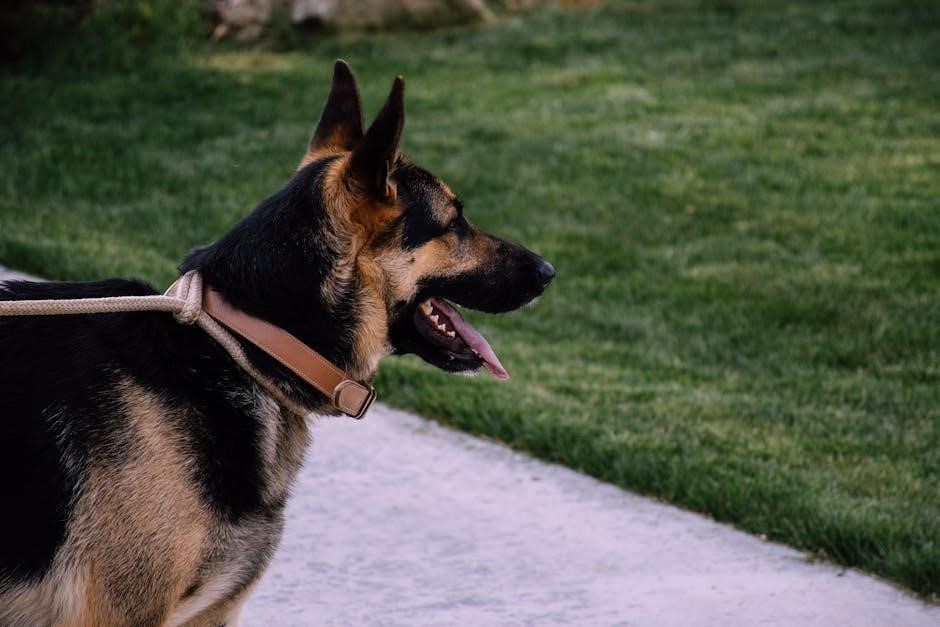
Snout circumference is the most critical measurement when determining the correct dog muzzle size․ This measurement dictates the overall width of the muzzle and ensures a secure, yet comfortable, fit․ To obtain an accurate reading, wrap the measuring tape around the widest part of your dog’s snout, typically just below the eyes․
Ensure the tape is snug but not overly tight․ You should be able to comfortably slide a finger or two underneath the tape․ The ideal circumference should be 1 to 3 inches larger than your dog’s actual snout circumference, allowing for panting and mouth movement․
Remember that different muzzle styles and brands may have slightly different sizing recommendations․ Always consult the specific size chart provided by the manufacturer․ If your dog’s measurement falls between sizes, it’s generally best to opt for the larger size to avoid constriction and discomfort․ A properly fitted muzzle allows your dog to breathe, drink, and pant freely․
Snout Length: Determining the Correct Muzzle Height
Accurately measuring snout length is crucial for selecting a muzzle with the appropriate height, preventing rubbing and ensuring comfort․ Begin measuring at the tip of your dog’s nose, extending the tape measure back to the point where the muzzle will end – typically just below the eyes, but before reaching the jaw hinge․
Refer to the manufacturer’s sizing chart, as muzzle height is directly correlated to snout length․ Charts will indicate the size range corresponding to specific length measurements․ When your dog’s snout length falls within a range, start with the size where the nose length fits․
Insufficient height can cause the muzzle to dig into the bridge of the nose, while excessive height may allow the dog to slip the muzzle off․ Observe your dog’s snout shape; some breeds have longer or shorter snouts relative to their overall size․ Prioritize a fit that doesn’t restrict breathing or impede vision․
Snout Width: Ensuring a Comfortable Fit
Determining the correct snout width is vital for a secure and comfortable muzzle fit, preventing chafing and ensuring the muzzle stays in place․ Measure across the top of your dog’s snout, identifying the widest point․ This is generally located where the cheeks begin to curve upwards․
The snout width measurement corresponds to the width of the muzzle basket itself․ Consult the sizing chart provided by the muzzle manufacturer, matching your dog’s width measurement to the appropriate size․ Remember that variations exist between brands, so relying on a universal size is not recommended․
A muzzle that is too narrow will pinch the cheeks, causing discomfort and potentially restricting blood flow․ Conversely, a muzzle that is too wide will allow excessive movement and may slip off during activity․ Ensure there’s enough space for the dog’s nostrils to remain unobstructed, allowing for normal breathing․ Prioritize a snug, but not constricting, fit․
Decoding Dog Muzzle Size Charts
Dog muzzle size charts are essential tools, but interpreting them correctly is crucial․ Charts typically require three key measurements: snout circumference, snout length, and snout width․ Manufacturers present this data in tables, often with ranges corresponding to specific muzzle sizes (e․g․, Small, Medium, Large, or numerical sizes)․
Understand that size charts are guidelines, not absolute rules․ Variations in breed standards and individual dog anatomy mean a dog might fall between sizes․ When this happens, it’s generally recommended to size up to ensure adequate space for panting and drinking․ Always prioritize comfort over a perfectly precise fit․
Pay close attention to the units of measurement (inches or centimeters) used on the chart․ Some charts offer breed-specific recommendations, which can be a helpful starting point․ However, always verify with your dog’s individual measurements․ Remember, size charts differ significantly between brands, so cross-referencing is not reliable․
Brand-Specific Sizing Variations
Navigating the world of dog muzzles reveals a significant challenge: inconsistent sizing across brands․ What your dog wears as a “Medium” in one brand could easily be a “Large” or “Small” in another․ This stems from differing design philosophies, materials used, and target breed shapes․
Each manufacturer develops its own sizing chart based on its specific muzzle design․ A basket muzzle from one company might have a wider, more open construction than another, impacting the required circumference measurement․ Similarly, the length and width dimensions can vary considerably․
Therefore, relying solely on a general size recommendation is risky․ Always consult the specific sizing chart provided by the muzzle’s manufacturer․ Don’t assume a size will translate between brands․ Prioritize measuring your dog accurately each time you switch brands, and be prepared to order multiple sizes for the best fit․ Careful attention to these details prevents discomfort and ensures the muzzle’s effectiveness․
Baskerville Ultra Muzzle Sizing: A Detailed Look
The Baskerville Ultra Muzzle, a popular choice for its soft silicone construction, requires precise sizing for optimal comfort and safety․ Their sizing primarily focuses on snout length, rather than just circumference․ Begin by measuring from the tip of your dog’s nose to just below their eyes․
Baskerville’s chart categorizes sizes based on this nose length measurement․ Size 1 typically fits dogs with a nose length of up to 5․5 inches, while Size 5 accommodates noses exceeding 11 inches․ Circumference is still important; the muzzle should allow for panting and drinking․
It’s crucial to note that Baskerville recommends choosing the size where your dog’s nose length falls within the measurement range, rather than at the upper limit․ A slightly smaller size is preferable to one that’s too large․ Always check the Baskerville website for the most up-to-date sizing information, as specifications can change․ Proper fit ensures your dog’s well-being and the muzzle’s effectiveness․
Choosing the Right Muzzle for Your Dog’s Breed
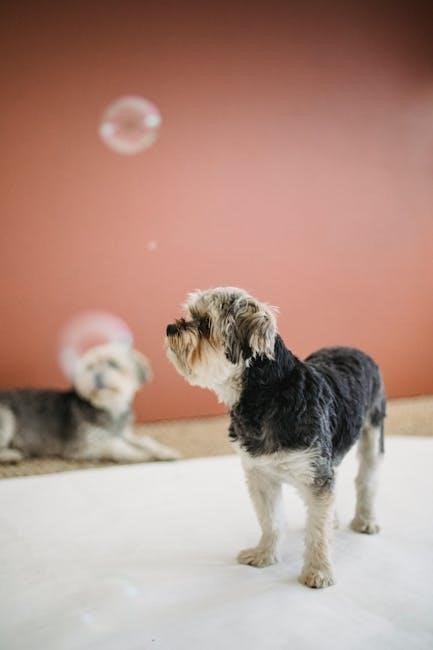
Selecting the ideal muzzle isn’t one-size-fits-all; breed characteristics significantly influence the best choice․ Brachycephalic breeds (Pugs, Bulldogs) with short snouts require muzzles specifically designed for their facial structure, prioritizing breathability and avoiding pressure on their airways․
Sighthounds (Greyhounds, Whippets) possess long, slender snouts, benefiting from muzzles that accommodate their length without restricting movement․ Larger breeds often need more robust basket muzzles, while smaller breeds can comfortably use lighter fabric or silicone options․
Consider the dog’s jaw shape․ Some breeds have wider jaws, necessitating a wider muzzle circumference․ The best dog muzzles are tailored to the breed’s special shape and function․ Wire basket muzzles or leather options are often preferred for breeds prone to strong biting, while softer silicone may suffice for training or vet visits․ Always prioritize comfort and functionality based on your dog’s unique breed traits․
Muzzle Size for Different Breed Groups (Small, Medium, Large)
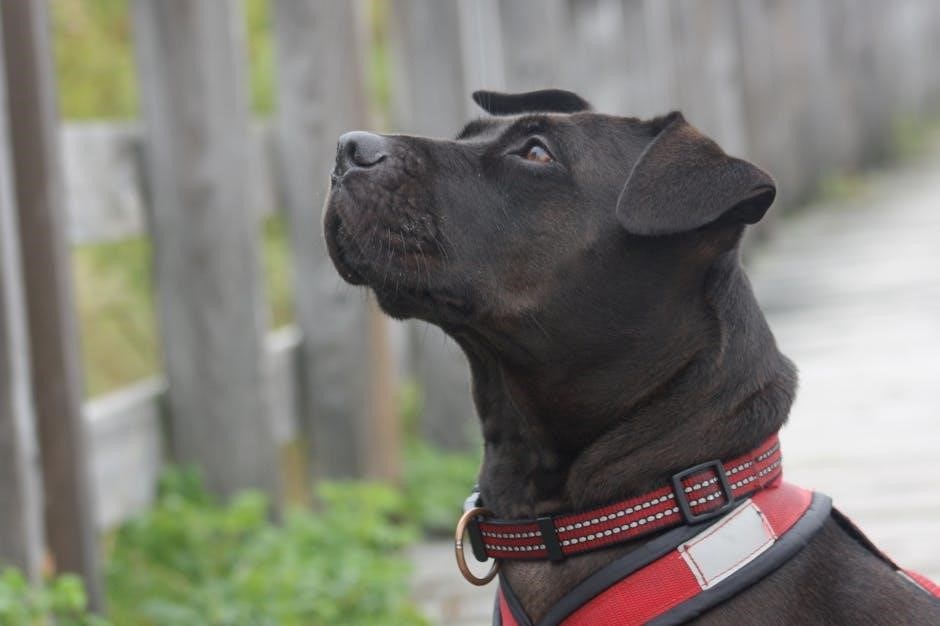
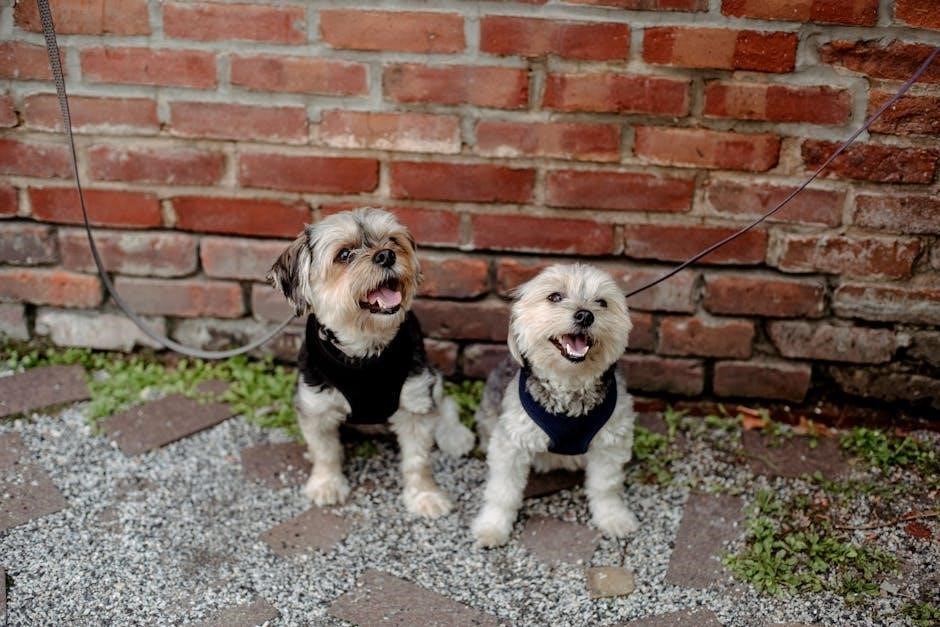
Small breeds (Chihuahuas, Yorkshire Terriers) generally require muzzles with a snout circumference of 6-8 inches and a length of 2-4 inches․ Lightweight fabric or silicone muzzles are often suitable, ensuring they don’t impede breathing․
Medium breeds (Beagles, Cocker Spaniels) typically need muzzles with a circumference of 8-12 inches and a length of 4-6 inches․ Basket muzzles are a good option, allowing for panting and drinking․ Adjustability is crucial for a comfortable fit․
Large breeds (German Shepherds, Labrador Retrievers) usually require muzzles with a circumference of 12-16+ inches and a length of 6-8+ inches․ Durable basket muzzles are recommended, providing ample space and preventing removal․ Remember to add 1-3 inches to the measured circumference for comfortable adjustment․ Breed-specific variations exist, so always consult sizing charts and prioritize a secure, yet comfortable, fit․
Adjustable Muzzles: Benefits and Considerations

Adjustable muzzles offer a versatile solution for dogs with measurements falling between standard sizes, or for those experiencing weight fluctuations․ They typically feature straps or buckles allowing for a customized fit around the snout and head․ This adaptability is particularly beneficial for puppies still growing, or breeds with varying head shapes․
However, considerations are vital․ Ensure adjustment mechanisms are secure to prevent accidental removal during use․ Regularly check for proper tightness – not too loose, allowing escape, nor too tight, restricting breathing or causing discomfort․ Quality adjustable muzzles utilize durable materials to withstand repeated adjustments․
Prioritize models with multiple adjustment points for a more precise fit․ While convenient, adjustable muzzles require more frequent monitoring than fixed-size options․ Always allow for panting and drinking space, even when fully adjusted․ A well-fitted adjustable muzzle provides both security and comfort for your canine companion․
Basket Muzzles vs․ Fabric Muzzles: Which is Best?

Basket muzzles, typically made of wire or plastic, are generally preferred for extended use․ Their open design allows dogs to pant, drink, and even accept treats, crucial for comfort and training․ They’re ideal for vet visits, grooming, or situations requiring longer restraint․ However, some dogs may initially resist the feel of a basket muzzle․
Fabric muzzles, often nylon, are more restrictive․ While suitable for very short periods – like quick vet checks – they prevent normal panting and drinking, potentially leading to overheating․ They primarily restrict jaw movement, not necessarily preventing all biting․
The “best” choice depends on the situation․ For prolonged use or activities requiring normal dog functions, a basket muzzle is superior․ Fabric muzzles are a temporary solution only․ Prioritize your dog’s welfare; ensure adequate ventilation and avoid prolonged use of restrictive muzzles․ Consider your dog’s temperament and the specific purpose when selecting a muzzle․
Allowing for Panting and Drinking: Importance of Extra Space
A properly fitted muzzle doesn’t compromise a dog’s essential physiological needs․ Dogs regulate body temperature primarily through panting; a restrictive muzzle can quickly lead to overheating, especially during exercise or warm weather․ Similarly, access to water is vital, particularly during extended muzzle use․
The 1-3 inch rule, referencing snout circumference, directly addresses this․ Extra space allows the dog to open its mouth sufficiently for effective panting and to drink comfortably․ A snug fit is necessary for security, but not at the expense of these crucial functions․
Basket muzzles inherently offer more space than fabric options․ When selecting any muzzle, prioritize designs that allow for unobstructed airflow and easy access to water․ Regularly check your dog for signs of overheating – excessive drooling, distress, or labored breathing – and remove the muzzle immediately if observed․ Prioritizing comfort and safety is paramount․
The 1-3 Inch Rule: Circumference Adjustment
The “1-3 inch rule” is a foundational principle in dog muzzle fitting, directly impacting comfort and functionality․ This guideline dictates that the muzzle’s circumference should exceed your dog’s snout circumference by at least one, and ideally up to three, inches․
This extra space isn’t arbitrary․ It allows the dog to open its mouth for panting, drinking, and even accepting treats – essential for positive reinforcement during muzzle training․ A muzzle that’s too tight restricts these vital behaviors, causing stress and potential overheating․
However, exceeding three inches can compromise security, potentially allowing the muzzle to slip off․ Accurate snout measurement is therefore crucial․ Remember that sizing charts are guides, and individual dogs may require adjustments within this range․ Always prioritize a fit that balances security with the dog’s ability to breathe and drink comfortably․ Careful observation and adjustment are key․
Signs of a Poorly Fitting Muzzle
Identifying a poorly fitting muzzle is crucial for your dog’s safety and well-being․ Several telltale signs indicate adjustments are needed․ Persistent rubbing or chafing on the snout is a primary indicator, potentially leading to skin irritation․
Excessive drooling or difficulty drinking, despite adequate space, suggests discomfort or constriction․ If your dog constantly paws at the muzzle or attempts to remove it, it’s likely ill-fitting and causing distress․ A muzzle that shifts significantly during normal head movements is also a concern, compromising security;
Visible pressure points or redness around the snout are clear warnings․ Conversely, a muzzle that’s too loose allows the dog to bypass it, defeating its purpose․ Regularly check for these signs, especially during initial fittings and after any activity․ Prioritize comfort and functionality – a properly fitted muzzle shouldn’t impede natural behaviors․
Introducing the Muzzle to Your Dog: Positive Reinforcement
Muzzle introduction should always be a positive experience․ Avoid simply forcing the muzzle onto your dog, as this can create fear and aversion․ Begin by associating the muzzle with high-value treats․ Let your dog sniff and investigate the muzzle, rewarding curiosity with praise and goodies․
Gradually introduce wearing the muzzle for short periods, increasing duration as your dog becomes comfortable․ Distract with engaging activities like puzzle toys or gentle play․ Never use the muzzle as punishment; it should be a neutral or positive tool․
Pair muzzle wearing with enjoyable experiences, such as short walks or car rides․ Consistent positive reinforcement builds a positive association․ If your dog shows signs of stress, slow down the process and revisit earlier steps․ Patience and a gentle approach are key to successful muzzle acclimation, ensuring your dog feels safe and secure․
Muzzle Materials: Leather, Wire, and Silicone
Dog muzzles come in various materials, each with unique benefits․ Leather muzzles offer comfort and a classic look, but require conditioning to prevent cracking․ They’re often suitable for general use and training, though less durable for strong chewers․
Wire basket muzzles provide excellent durability and allow for panting, drinking, and even treat dispensing․ These are ideal for dogs who need a robust muzzle for longer periods or specific behavioral concerns․ However, some dogs may find them less comfortable initially․
Silicone muzzles, like the Baskerville Ultra, are lightweight and flexible, offering a softer alternative․ They’re often preferred for dogs sensitive to other materials and provide good visibility․ Silicone is also easy to clean․ The best material depends on your dog’s individual needs, temperament, and the intended use of the muzzle․
Muzzles for Specific Purposes (Training, Vet Visits, Grooming)
Selecting a muzzle isn’t one-size-fits-all; the purpose dictates the best choice․ For training, a lighter, more comfortable muzzle – perhaps fabric or soft silicone – encourages cooperation without causing undue stress․ It allows for reward delivery and clear communication․
Veterinary visits and grooming often require a more secure muzzle, especially for dogs with anxiety or a history of aggression․ A sturdy wire basket muzzle is often preferred, ensuring the safety of both the dog and the professional․ It prevents biting while still allowing essential functions like panting․
Consider the duration of use․ Short visits may suit a simpler muzzle, while longer procedures demand comfort and breathability․ Remember, a muzzle is a tool, and proper introduction with positive reinforcement is crucial, regardless of the purpose․ Always prioritize your dog’s well-being and comfort․
Where to Buy Dog Muzzles: Online vs․ In-Store
Purchasing a dog muzzle presents a choice: online convenience or in-store expertise․ Online retailers offer a vast selection, competitive pricing, and detailed product descriptions, often including size charts․ However, you can’t physically assess the fit before buying, increasing the risk of returns․
Brick-and-mortar pet stores allow for hands-on evaluation․ You can compare different styles, try them on your dog (if permitted and safe), and receive personalized advice from staff․ This is particularly valuable for first-time buyers or those unsure about sizing․
Consider specialty veterinary supply stores for high-quality, durable options․ Regardless of where you shop, carefully review return policies․ Accurate measurements are vital, and don’t hesitate to consult size guides provided by the manufacturer․ Combining online research with an in-store fitting, if possible, offers the best approach․
Troubleshooting Common Muzzle Fitting Issues
Even with careful measurement, fitting issues can arise․ Rubbing or chafing often indicates a poor fit, potentially requiring adjustments or a different muzzle style․ If the muzzle slips off easily, it’s likely too large; tighten straps or downsize․ Conversely, a muzzle that’s too tight restricts breathing and causes discomfort․
Difficulty panting or drinking signals insufficient space․ The “1-3 inch rule” – ensuring 1-3 inches of extra circumference – is crucial․ Check for pressure points, especially around the eyes and nose․ Some dogs resist muzzles due to discomfort; positive reinforcement during introduction is key․
Asymmetry in the dog’s snout can necessitate customized fitting․ Wire basket muzzles offer more adjustability than fabric options․ If problems persist, consult a veterinarian or professional dog trainer for guidance․ Remember, a properly fitted muzzle allows for normal behaviors like panting and drinking while ensuring safety․