
Guided Surgery for Dental Implants: A Comprehensive Plan
Guided surgery‚ utilizing surgical guides‚ offers a revolutionary approach to dental implant placement‚ enhancing accuracy and safety for predictable‚ long-lasting results.
Guided surgery represents a significant advancement in dental implant procedures‚ moving beyond traditional freehand techniques. This innovative method employs precisely fabricated surgical guides‚ custom-designed based on detailed CBCT scans and CAD/CAM technology.
These guides act as a stencil‚ directing the surgeon during drilling and implant placement‚ ensuring optimal angle‚ depth‚ and position. The Astra Tech EV and NobelGuide systems exemplify this approach‚ prioritizing a site-specific‚ crown-down strategy. This minimizes risks‚ potentially reducing surgical time and the need for invasive procedures like bone grafting‚ ultimately improving patient outcomes and satisfaction.
What are Dental Implants?
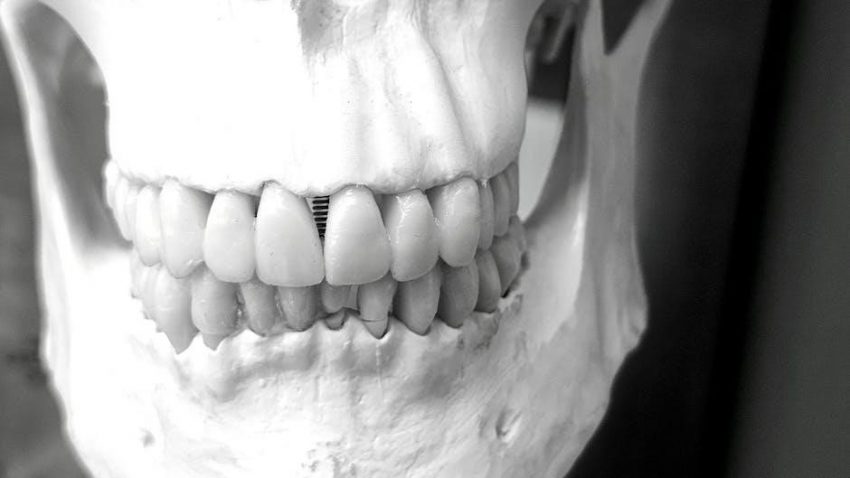
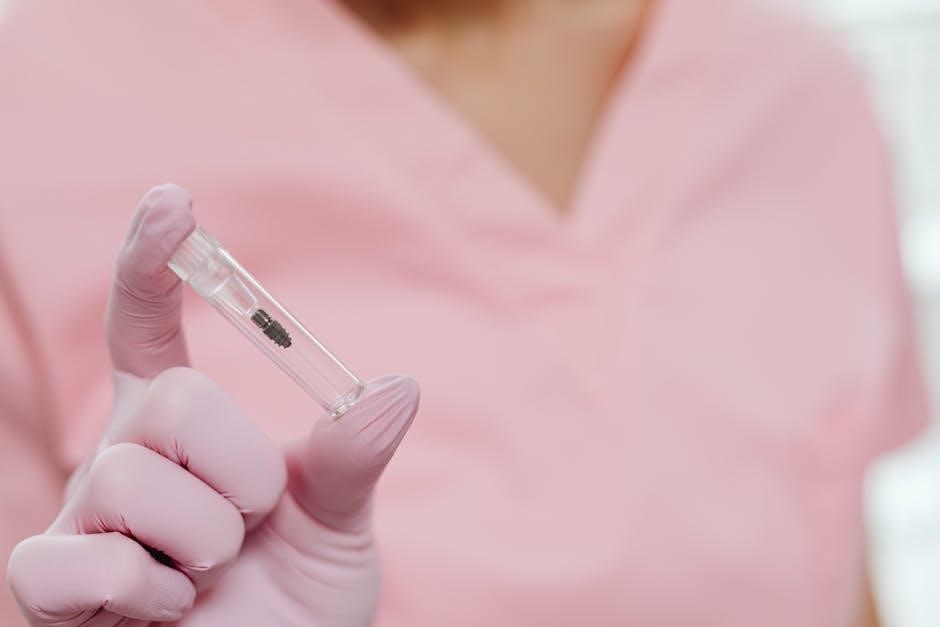
Dental implants are artificial tooth roots‚ typically made of biocompatible titanium‚ surgically placed into the jawbone to provide a stable foundation for replacement teeth. Unlike dentures or bridges‚ implants fuse with the bone through a process called osseointegration‚ offering a permanent solution for missing teeth.
They function like natural teeth‚ restoring both aesthetics and functionality. Guided surgery enhances implant placement precision‚ ensuring optimal integration and long-term success. The procedure involves opening gum tissue and carefully drilling into the bone‚ a process refined by utilizing surgical guides for accuracy and safety.
The Evolution of Implant Dentistry
Implant dentistry has dramatically evolved from early‚ less predictable techniques. Initially‚ implant placement relied heavily on surgeon experience and two-dimensional imaging. The introduction of Cone Beam Computed Tomography (CBCT) revolutionized the field‚ providing detailed 3D views of the jawbone.
This led to the development of guided surgery‚ utilizing CAD/CAM technology and 3D printing to create precise surgical guides. Systems like NobelGuide and Astra Tech’s EV protocol now allow for site-specific‚ crown-down approaches‚ increasing accuracy and minimizing complications‚ marking a significant leap forward in restorative dentistry.
Benefits of Guided Surgery
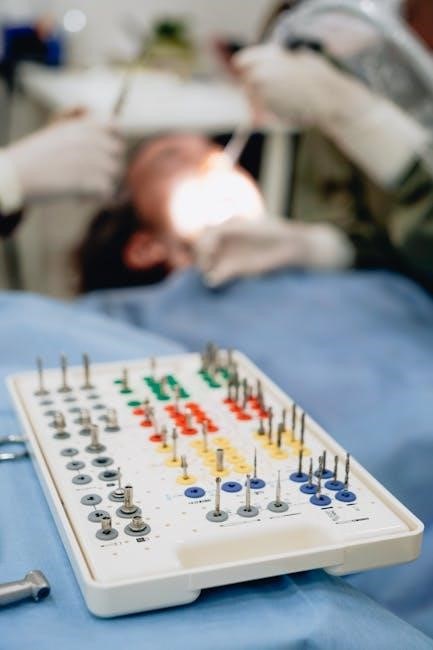
Guided surgery delivers increased precision‚ reduced surgical times‚ minimized risks‚ and the potential for flapless procedures‚ often lessening the need for bone grafting.
Increased Accuracy in Implant Placement
Guided surgery dramatically improves the accuracy of dental implant placement‚ leveraging pre-operative planning with CBCT scans and CAD/CAM technology. This meticulous approach ensures implants are positioned according to the pre-determined plan‚ mirroring the natural dentition.
The surgical guide acts as a stencil‚ directing drill placement and angle‚ minimizing deviations. Systems like NobelGuide and Astra Tech EV prioritize precise positioning‚ crucial for optimal prosthetic outcomes and long-term stability. This site-specific‚ crown-down approach‚ validated through clinical experience‚ enhances predictability and patient satisfaction.
Reduced Surgical Time
Guided surgery streamlines the dental implant procedure‚ often significantly reducing overall surgical time. Pre-operative planning and the use of a surgical guide minimize the need for adjustments and exploratory drilling during the live surgery.
The Globalwin protocol‚ built on validated clinical experience‚ exemplifies this efficiency. By precisely directing implant placement‚ the guide eliminates much of the uncertainty associated with traditional methods. This time-saving aspect benefits both the patient and the clinician‚ contributing to a more comfortable and predictable experience.
Minimized Risk of Complications
Guided surgery for dental implants demonstrably minimizes potential complications. The precise planning and execution‚ facilitated by surgical guides‚ reduce the risk of damaging adjacent anatomical structures like nerves and sinuses.
The Astra Tech Implant System EV and Globalwin protocol prioritize safe and predictable implant insertion. By ensuring accurate positioning‚ the need for corrective measures‚ and potentially‚ bone grafting‚ is often reduced. This translates to a lower incidence of post-operative issues and a smoother healing process for the patient.
Potential for Flapless Surgery
Guided surgery frequently enables a flapless surgical approach for dental implant placement‚ a significant benefit for patients. This technique avoids the need for traditional gum incisions and tissue reflection‚ leading to reduced post-operative discomfort‚ swelling‚ and bruising.
The Globalwin protocol‚ utilizing precise surgical guides‚ often facilitates this minimally invasive method. By accurately directing the drill‚ implants can be placed without disturbing the surrounding soft tissues. This not only improves the patient experience but also promotes faster healing and a quicker return to normal function.
Reduced Need for Bone Grafting
Guided surgery‚ leveraging precise CBCT scanning and CAD/CAM technology‚ can significantly reduce the necessity for bone grafting procedures prior to dental implant placement. Accurate virtual planning allows surgeons to identify areas of sufficient bone density and strategically position implants to maximize stability.
The Astra Tech Implant System EV‚ with its site-specific‚ crown-down approach‚ further supports this benefit. By utilizing surgical guides‚ implants can be placed in optimal positions‚ potentially avoiding the need to augment areas with limited bone volume‚ streamlining treatment and reducing overall costs.
The Guided Surgery Process: Step-by-Step
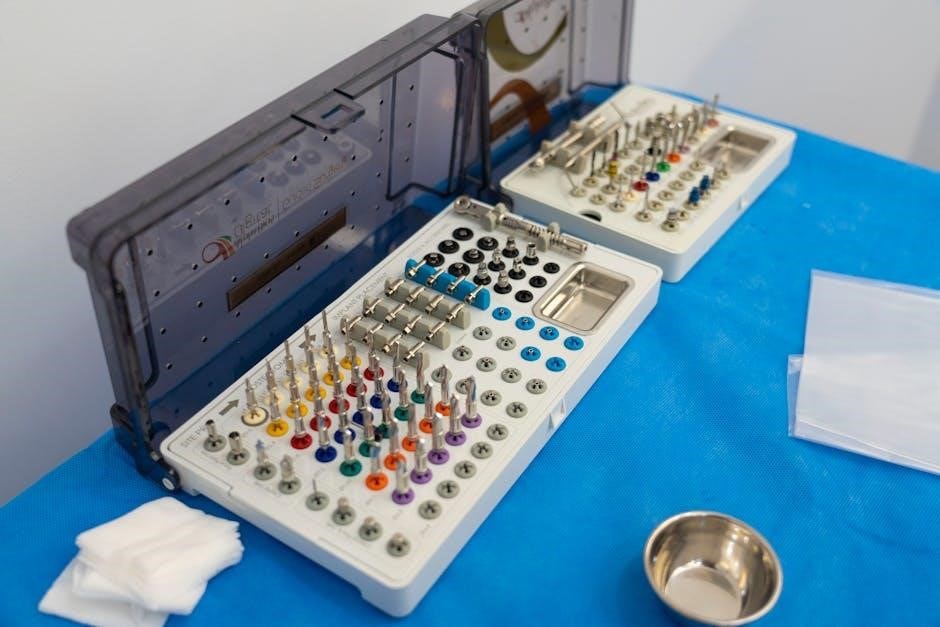
Guided surgery involves a detailed process: CBCT scans‚ virtual planning‚ surgical guide fabrication‚ and precise implant placement‚ ensuring optimal outcomes.
Initial Consultation and Assessment
The first step in guided surgery is a comprehensive consultation. This involves a thorough review of your medical and dental history‚ alongside a detailed clinical examination. Suitability for implants is assessed‚ considering bone health and overall well-being.
Dr. Cotey emphasizes the importance of understanding individual needs. The team verifies anatomical conditions and patient health before proceeding. This initial assessment determines if guided surgery is the appropriate treatment path‚ laying the foundation for a successful and predictable outcome. Open communication and realistic expectations are crucial during this phase.
Cone Beam Computed Tomography (CBCT) Scanning
CBCT scanning is a cornerstone of guided surgery‚ providing a detailed three-dimensional image of the jawbone. This advanced imaging technique surpasses traditional X-rays‚ revealing precise bone density‚ nerve locations‚ and anatomical structures.
Accurate implant planning relies heavily on the data acquired from CBCT. The scan allows for virtual implant placement‚ identifying optimal positions and avoiding critical structures. Globalwin and NobelGuide systems utilize this data for surgical guide design‚ ensuring a safe and predictable procedure. This technology minimizes risks and maximizes implant success.
Treatment Planning Software & Virtual Implant Placement
Following CBCT scanning‚ specialized treatment planning software allows clinicians to virtually plan the implant placement. This digital workflow enables precise positioning‚ considering bone availability and anatomical limitations. Astra Tech and NobelGuide systems offer robust software for this crucial step.
Virtual implant placement allows for adjustments and optimization before surgery‚ minimizing potential complications. Clinicians can assess drill depths and angles‚ ensuring optimal implant stability. The treatment plan report details these parameters‚ guiding the fabrication of the surgical guide for accurate execution.
Surgical Guide Design and Fabrication
Once the virtual plan is finalized‚ the surgical guide is designed based on the treatment plan report‚ specifying guided drill depths per implant site. Utilizing CAD/CAM technology and 3D printing‚ these guides are fabricated with exceptional precision.
The guide’s design incorporates features like sleeve guides for accurate drilling and pin guides for stability. Globalwin protocols emphasize the importance of a well-designed guide for safe and predictable implant insertion. This meticulous process translates the digital plan into a tangible tool for the surgical procedure.
Implant Placement Using the Surgical Guide
During surgery‚ the surgical guide is securely seated on the patient’s jaw‚ ensuring accurate alignment. The surgeon then utilizes the guide’s sleeve guides to precisely drill through the bone‚ establishing the correct implant position and angle.
Systems like Astra Tech Implant System EV and NobelGuide facilitate this process‚ promoting a site-specific‚ crown-down approach. This method minimizes deviations from the pre-planned position‚ potentially reducing surgical time and the need for adjustments‚ leading to a more predictable outcome.
Components of a Surgical Guide
Surgical guides incorporate sleeve guides for precise drilling‚ pin guides for stability‚ and features for soft tissue stabilization‚ ensuring accurate implant placement.
Sleeve Guides for Precision Drilling
Sleeve guides are integral components of surgical guides‚ meticulously designed to dictate the exact depth and angle of dental implant osteotomies. These cylindrical components‚ fabricated from biocompatible materials‚ fit snugly over the prepared implant site.
They effectively transform the drill into a highly controlled instrument‚ preventing deviations and ensuring the implant is positioned according to the pre-operative treatment plan. This precision minimizes the risk of damaging adjacent anatomical structures like nerves or sinuses.
Sleeve guides are particularly crucial in cases with limited interproximal space or compromised bone quality‚ offering a predictable and safe pathway for implant placement.
Pin Guides for Implant Stability
Pin guides‚ another essential feature within surgical guides‚ provide enhanced stability during the initial stages of dental implant placement. These precisely positioned pins engage with the cortical bone‚ offering tactile feedback and preventing unwanted guide movement.
They act as a secure anchor‚ particularly valuable in situations with dense bone or challenging access. Pin guides contribute to improved accuracy by minimizing rotational drift during drilling and implant insertion.
This added stability is especially beneficial when utilizing flapless surgical techniques‚ ensuring predictable implant positioning and optimal long-term success.
Soft Tissue Stabilization
Soft tissue stabilization is a crucial aspect of guided surgery for dental implants‚ ensuring proper adaptation and minimizing trauma during the procedure. Surgical guides often incorporate features designed to compress and stabilize the surrounding gingival tissues.
This stabilization prevents tissue collapse into the osteotomy site‚ maintaining visibility and facilitating accurate implant placement. It’s particularly important for flapless procedures‚ where preserving tissue integrity is paramount.
Effective soft tissue management contributes to improved healing‚ reduced post-operative discomfort‚ and enhanced aesthetic outcomes.
Technologies Used in Guided Surgery
Guided surgery relies on CBCT scanning‚ CAD/CAM technology‚ and 3D printing to create precise surgical guides for accurate dental implant placement.
Cone Beam Computed Tomography (CBCT)
Cone Beam Computed Tomography (CBCT) is a crucial technology in guided surgery for dental implants. It provides detailed three-dimensional images of the patient’s jawbone‚ nerves‚ and sinuses. This allows for precise assessment of bone volume and density‚ identifying optimal implant sites and avoiding critical anatomical structures.
Unlike traditional two-dimensional X-rays‚ CBCT offers a comprehensive view‚ essential for accurate treatment planning. The resulting data is then imported into specialized software for virtual implant placement‚ ensuring a predictable and safe surgical outcome. CBCT minimizes risks and maximizes the success rate of implant procedures.
CAD/CAM Technology
CAD/CAM (Computer-Aided Design/Computer-Aided Manufacturing) technology is integral to guided surgery for dental implants. Following CBCT scanning‚ the acquired data is used to create a digital model of the patient’s jaw. This allows clinicians to virtually plan implant placement with exceptional precision.
CAD software enables the design of the surgical guide‚ while CAM technology facilitates its fabrication‚ often through 3D printing. This digital workflow minimizes errors and ensures a highly accurate fit. The resulting surgical guide directs the drill during surgery‚ guaranteeing optimal implant positioning and a predictable outcome.
3D Printing
3D printing has revolutionized guided surgery for dental implants‚ enabling the rapid and cost-effective fabrication of surgical guides. After the surgical guide is designed using CAD software‚ 3D printing technologies‚ like stereolithography or fused deposition modeling‚ bring the digital design to life.
This additive manufacturing process builds the guide layer by layer‚ creating a precise and customized fit. 3D printing allows for complex geometries and features‚ such as sleeves and pins‚ crucial for accurate drill guidance. The speed and precision of 3D printing are vital for modern implant dentistry.

Astra Tech Implant System EV & Globalwin Protocol
Astra Tech EV and the Globalwin Protocol utilize a site-specific‚ crown-down approach with SURGICAL GUIDE utilization for safe‚ predictable implant placement.
Site-Specific‚ Crown-Down Approach
The Astra Tech Implant System EV champions a site-specific‚ crown-down approach‚ mirroring natural dentition. This philosophy prioritizes meticulous planning‚ beginning with the desired final restoration and working backwards to guide implant placement.
Unlike traditional methods‚ this technique considers individual anatomical variations at each implant site. It ensures optimal prosthetic outcomes by focusing on emergence profile and restorative space before surgery.
This approach‚ coupled with the Globalwin Guided Surgery Protocol‚ allows for predictable and safe implant insertion‚ leveraging validated clinical experience and precise surgical guides. It enhances confidence for the entire treatment team.
Validated Clinical Experience
The Globalwin Guided Surgery Protocol isn’t simply theoretical; it’s built upon a foundation of extensive validated clinical experience. Rigorous testing and real-world application have refined the system‚ ensuring predictable and reliable outcomes for patients seeking dental implant solutions.
This experience translates to increased confidence for surgeons‚ knowing they are utilizing a protocol proven effective in diverse anatomical scenarios.
The system’s success stems from a commitment to meticulous planning‚ precise surgical guide fabrication‚ and a deep understanding of biomechanical principles‚ leading to consistently positive results and improved patient satisfaction.
SURGICAL GUIDE Utilization
SURGICAL GUIDE utilization is central to the Astra Tech Implant System EV and Globalwin Protocol‚ enabling remarkably accurate dental implant placement. These guides‚ designed from CBCT scans and treatment planning software‚ dictate drill depth and angle‚ minimizing deviations from the planned position.
This precision reduces the risk of vital structure damage and optimizes implant stability. The guides facilitate a more efficient surgical workflow‚ potentially shortening procedure times and even allowing for flapless surgery in suitable cases.
Ultimately‚ surgical guide use enhances predictability and improves long-term clinical success.
NobelGuide System
NobelGuide provides comprehensive treatment planning‚ detailing guided drill depths per implant site‚ ensuring precision during guided surgery for optimal dental implant outcomes.
Treatment Plan Report Details
Treatment plan reports‚ like those generated by NobelGuide‚ are crucial for successful guided surgery in dental implant procedures. These detailed reports contain vital information‚ extending beyond simple planning details to encompass precise guided drill depths for each individual implant site.
This level of specificity ensures the surgeon adheres to the pre-determined plan‚ maximizing accuracy and minimizing deviations during the surgical phase. The report effectively serves as a roadmap‚ providing essential steps for both surgical planning and the actual guided procedure itself. It’s a cornerstone of predictable implant dentistry‚ benefiting both the clinician and patient.
Guided Drill Depths
Guided drill depths are a fundamental component of guided surgery for dental implants‚ ensuring precise osteotomy preparation. The NobelGuide system‚ and others‚ meticulously define these depths within the treatment plan report‚ dictating exactly how far to drill at each implant site.
This pre-determined depth control minimizes the risk of vital structure damage‚ like nerves or sinuses‚ and optimizes implant placement for long-term stability. Utilizing surgical guides with depth stops‚ clinicians can confidently achieve the planned drilling parameters‚ leading to more predictable and successful implant outcomes.
Potential Complications & Considerations
Dental implant surgery isn’t universally suitable; careful candidate evaluation is crucial. Long-term complications are possible‚ highlighting the importance of meticulous planning and execution.
Suitability of Candidates
Guided surgery for dental implants‚ while highly successful‚ isn’t for everyone. Ideal candidates possess sufficient bone density and healthy gums. A thorough medical history review is essential‚ considering conditions like diabetes or osteoporosis. Patients undergoing radiation therapy to the jaw may face challenges.
Smokers often exhibit reduced healing capacity‚ impacting implant success. Realistic expectations are vital; guided surgery improves precision but doesn’t guarantee a flawless outcome. A comprehensive evaluation‚ including CBCT scans‚ determines if a patient’s anatomy is conducive to implant placement and guided procedures.
Long-Term Complications
Despite advancements‚ dental implant procedures‚ even with guided surgery‚ carry potential long-term risks. Peri-implantitis‚ an inflammatory condition affecting surrounding tissues‚ is a primary concern‚ potentially leading to implant failure. Mechanical complications‚ such as screw loosening or prosthetic fractures‚ can occur.
Nerve damage‚ though rare with precise guided placement‚ remains a possibility. Maintaining meticulous oral hygiene and attending regular dental check-ups are crucial for preventing complications. Bone loss around the implant can also develop over time‚ requiring intervention. Careful patient selection and proper planning minimize these risks.
Importance of Proper Planning
Proper planning is paramount for successful guided surgery in dental implant procedures. A thorough initial assessment‚ including a comprehensive medical history and clinical examination‚ is essential. CBCT scanning provides detailed 3D imaging of the jawbone‚ crucial for accurate virtual implant placement.
Utilizing treatment planning software allows for precise angulation and depth determination. The surgical guide‚ designed based on this plan‚ ensures accurate drill guidance. Ignoring meticulous planning increases the risk of complications‚ impacting long-term implant stability and function. A well-executed plan maximizes predictability.
Future Trends in Guided Surgery
Future trends include streamlined digital workflows‚ innovative advanced materials for guides‚ and the increasing adoption of efficient single-drill techniques in guided surgery.
Digital Workflows
Digital workflows are rapidly transforming guided surgery for dental implants‚ creating a seamless process from initial scan to final restoration. CBCT scans and CAD/CAM technology enable precise virtual planning‚ allowing clinicians to visualize implant placement before surgery.
This digital approach minimizes errors and optimizes outcomes. Treatment planning software facilitates accurate implant positioning‚ considering anatomical structures and desired prosthetic results. The data is then used to design and 3D print customized surgical guides‚ ensuring predictable and efficient implant placement.
These integrated systems enhance collaboration between dentists‚ surgeons‚ and laboratories‚ ultimately improving patient care and treatment efficiency.
Advanced Materials
The evolution of guided surgery for dental implants extends to the materials used in both the implants themselves and the surgical guides. Titanium alloys remain a gold standard for implant biocompatibility and osseointegration‚ but research explores new surface treatments for enhanced bone bonding.
Regarding guides‚ advancements in 3D printing materials offer increased precision and durability. Polymers like PEEK and biocompatible resins are utilized for their strength and sterilization capabilities. These materials allow for the creation of guides with intricate designs and improved soft tissue adaptation.
Further innovation focuses on materials that minimize guide deformation during surgery‚ ensuring accurate drill guidance and optimal implant placement.
Single-Drill Techniques
Guided surgery is increasingly incorporating single-drill techniques‚ streamlining the implant placement process and potentially reducing surgical trauma. Traditionally‚ multiple drill bits are used to gradually expand the osteotomy (bone preparation). However‚ utilizing a single‚ precisely guided drill simplifies the procedure.
This approach‚ often facilitated by advanced CAD/CAM technology and accurate surgical guides‚ minimizes bone heating and compression‚ potentially promoting faster healing and improved osseointegration. The Astra Tech and NobelGuide systems are exploring this methodology.
Single-drill techniques require meticulous planning and precise guide fabrication to ensure accurate implant positioning.