
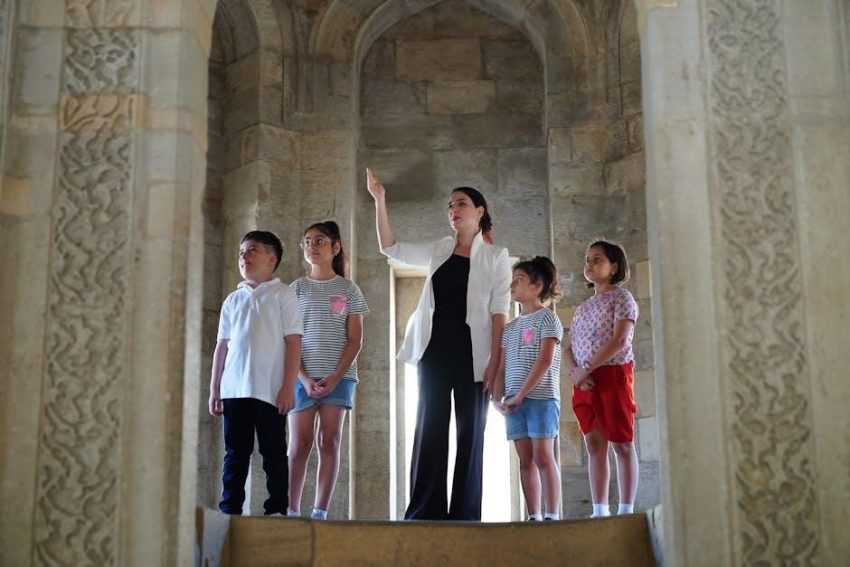
A compelling tour guide resume is crucial in today’s competitive job market, showcasing communication, organization, and storytelling abilities. Highlighting relevant skills and experience effectively captures recruiter attention, leading to increased interview opportunities and ultimately, securing desirable positions within the tourism industry.
The Competitive Landscape for Tour Guide Positions
The tour guide profession is experiencing heightened competition, demanding resumes that immediately demonstrate value. A surge in tourism, coupled with a growing interest in experiential travel, has increased the applicant pool significantly. Candidates must differentiate themselves by emphasizing not only foundational skills – like communication and organization – but also specialized knowledge and hands-on experience.
Many applicants possess basic qualifications, making it essential to showcase unique abilities. This includes language proficiency, familiarity with specific tour types (historical, adventure, culinary), and proven success in leading group activities. A well-crafted resume must highlight these differentiators to stand out from the crowd and secure an interview. Ignoring this competitive reality risks having your application overlooked.
What Recruiters Look for in a Tour Guide Candidate
Recruiters prioritize candidates demonstrating exceptional communication and interpersonal skills, alongside a genuine passion for sharing knowledge. They seek individuals capable of crafting engaging narratives and adapting to diverse audience needs. Strong organizational abilities are also key, ensuring smooth tour operations and positive guest experiences.
Technical skills, such as navigation and first aid/CPR certification, are highly valued, showcasing preparedness for unforeseen circumstances. A clean driving record may be essential for certain roles. Recruiters also assess a candidate’s problem-solving skills and adaptability, crucial for handling unexpected challenges during tours. Ultimately, they want enthusiastic, reliable professionals who can represent their organization positively and create memorable experiences for visitors.
Contact Information & Resume Summary/Objective
Ensure accurate contact details and craft a concise summary or objective highlighting relevant experience and skills, tailored to the specific tour guide position desired.
Essential Contact Details: Accuracy and Professionalism
Your contact information is the first impression, demanding absolute accuracy and professionalism. Include your full name, professional-sounding email address (avoid nicknames!), a current phone number, and optionally, a link to your LinkedIn profile. Avoid including your physical address for privacy reasons; a city and state are sufficient.
Double-check for typos – even a small error can appear careless. Present this information clearly and consistently formatted at the very top of your resume. Ensure your voicemail message is professional and concise. A polished presentation of your contact details demonstrates attention to detail and respect for the recruiter’s time, crucial qualities for a successful tour guide.
Maintaining professionalism extends to your online presence; ensure your social media profiles reflect a positive and appropriate image.
Crafting a Compelling Resume Summary for Experienced Guides
A strong resume summary for experienced tour guides should be a concise, impactful overview of your key qualifications. Highlight your years of experience, specialized tour types (historical, adventure, etc.), and notable achievements. Focus on quantifiable results – for example, “Led over 500 successful tours with a 95% customer satisfaction rating.”
Emphasize core skills like communication, storytelling, and problem-solving. Tailor the summary to each specific job description, showcasing how your experience aligns with the employer’s needs. Use action verbs to demonstrate your capabilities. Keep it brief – typically 3-4 sentences – and avoid generic statements. A well-crafted summary immediately grabs the recruiter’s attention and positions you as a top candidate.
Writing an Effective Resume Objective for Entry-Level Tour Guides
An effective resume objective for entry-level tour guides should focus on your enthusiasm and transferable skills. Highlight your passion for tourism, history, or the specific location you’d be guiding in. Emphasize foundational skills like communication, interpersonal abilities, and a willingness to learn.
State your career goals and how this position aligns with them. Mention any relevant coursework or hands-on experience, even if it’s not directly tour guiding (e.g., customer service, public speaking). Focus on what you can offer the company, not just what you hope to gain. Keep it concise – 2-3 sentences – and tailor it to each job application. A strong objective demonstrates your initiative and potential.
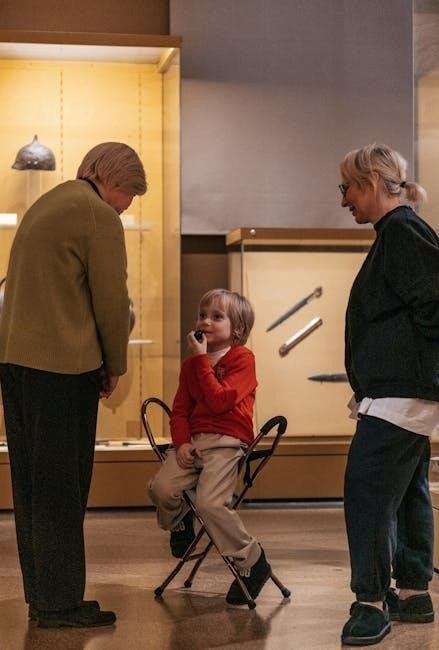
Skills Section: Highlighting Your Tour Guide Abilities
Showcase essential tour guide skills – communication, organization, storytelling, and language proficiency – to demonstrate your capabilities and attract potential employers effectively.
Core Tour Guide Skills: Communication, Interpersonal Skills, and Storytelling
Exceptional communication skills are paramount for a tour guide. This includes clear articulation, active listening, and the ability to adapt your communication style to diverse audiences. Interpersonal skills are equally vital; building rapport with tour participants, handling questions with grace, and fostering a positive group dynamic are essential.
Storytelling transforms a tour from informative to engaging. Weaving historical facts with captivating narratives creates a memorable experience for guests. A skilled guide doesn’t just present information; they bring it to life. Demonstrating these core skills on your resume, with specific examples, will significantly enhance your candidacy. Highlight instances where you successfully engaged groups, resolved conflicts, or delivered compelling presentations.
Remember to emphasize your ability to connect with people and create a welcoming atmosphere, showcasing your personality and enthusiasm.

Technical Skills: Navigation, First Aid/CPR, and Language Proficiency
Beyond interpersonal abilities, technical skills are crucial for tour guide success. Proficiency in navigation – utilizing maps, GPS devices, or mobile apps – demonstrates your ability to safely and efficiently guide groups. First Aid/CPR certification is often a requirement, showcasing your preparedness for handling emergencies and ensuring participant well-being. Clearly list any valid certifications on your resume.
Language proficiency significantly expands your tour guiding opportunities. Specify your fluency level (conversational, proficient, native) for each language. This is particularly valuable in diverse tourist destinations. Don’t underestimate the importance of detailing any relevant software skills, such as booking systems or presentation tools.
Highlighting these technical competencies assures potential employers of your professionalism and commitment to providing a safe and informative tour experience.
Soft Skills: Problem-Solving, Adaptability, and Customer Service
Exceptional soft skills are paramount for a successful tour guide. Customer service is fundamental; demonstrate your ability to create positive experiences and address guest needs with patience and enthusiasm. Problem-solving skills are essential for handling unexpected situations – from itinerary changes to guest concerns – efficiently and effectively.
Adaptability is equally vital. Tours rarely go exactly as planned, so showcasing your flexibility and ability to think on your feet is highly valued. Employers seek candidates who can remain calm under pressure and adjust to changing circumstances.
Highlighting these qualities – through examples in your experience section – demonstrates your capacity to deliver memorable and stress-free tours, fostering positive reviews and repeat business.
Experience Section: Showcasing Your Tour Guiding History
Detail your tour guide roles, emphasizing responsibilities and achievements. Quantify your impact with numbers to demonstrate success and highlight positive guest experiences effectively.
Describing Tour Guide Roles: Responsibilities and Achievements
When detailing your tour guide experience, move beyond simply listing duties. Instead, focus on showcasing your impact and the value you brought to each role. Begin by clearly outlining core responsibilities, such as leading groups, providing informative commentary, and ensuring visitor safety.
However, the key is to then translate these responsibilities into quantifiable achievements. For example, instead of stating “Provided excellent customer service,” write “Consistently received positive feedback, resulting in a 95% guest satisfaction rating.”
Highlight instances where you went above and beyond, like resolving complex issues, adapting to unexpected situations, or creating memorable experiences for tour participants. Use action verbs to describe your accomplishments – “led,” “managed,” “organized,” “educated,” and “facilitated” are all strong choices. Remember to tailor your descriptions to match the specific requirements of the tour guide positions you are applying for.
Quantifying Your Impact: Using Numbers to Demonstrate Success
Transforming your tour guide experience into measurable results is vital for a standout resume. Don’t just say you’re good; show it with numbers! Instead of “Led many tours,” try “Led over 150 tours, accommodating groups ranging from 10 to 30 participants.”
Consider metrics like guest satisfaction scores, increased sales (if applicable, like upselling souvenirs or additional experiences), or positive online reviews. For example, “Improved tour ratings by 15% through engaging storytelling and interactive elements.”
If you managed logistics, quantify that too: “Successfully coordinated transportation and accommodations for groups of up to 25 people.” Even seemingly small details can be quantified – “Maintained a 100% safety record throughout all guided tours.” Using data demonstrates your effectiveness and provides concrete evidence of your abilities to potential employers.
Addressing Gaps in Employment History
Employment gaps are common, and a tour guide resume is no exception. Transparency and a positive framing are key. Don’t attempt to hide gaps; instead, proactively address them. Briefly explain the reason – perhaps travel, further education, or personal commitments.
Focus on what you did during that time, even if it wasn’t directly tour-related. Did you volunteer, take relevant courses, or develop skills transferable to the role? For example, “Took a sabbatical for independent travel, enhancing cultural awareness and interpersonal skills.”
Highlight any skills gained or maintained during the gap. Frame it as a period of growth rather than inactivity. A concise explanation demonstrates honesty and initiative. Avoid oversharing personal details; keep it professional and focused on your qualifications for the tour guide position.
Education and Certifications
Showcase relevant degrees in history, tourism, or related fields. Essential certifications like First Aid, CPR, and tour guide licenses demonstrate preparedness and professionalism.
Relevant Educational Background: History, Tourism, or Related Fields
Highlighting a relevant educational background significantly strengthens your tour guide resume. Degrees in History, Tourism Management, Anthropology, or related fields demonstrate a foundational understanding of cultural heritage, historical context, and the principles of tourism.
Specifically mention coursework that directly applies to tour guiding, such as local history, art history, cultural studies, or public speaking. Even if your degree isn’t directly tourism-focused, emphasize transferable skills gained through your studies – research abilities, analytical thinking, and effective communication.
Include the name of the institution, degree earned, and graduation date. If you have a high GPA or received academic honors, include those as well. Consider adding relevant projects or thesis work that showcases your expertise in a particular area of interest for potential tours. A strong educational foundation builds credibility and demonstrates your commitment to providing informative and engaging experiences.
Essential Certifications: First Aid, CPR, Tour Guide Licenses
Listing essential certifications on your tour guide resume is paramount for demonstrating preparedness and professionalism. First Aid and CPR certifications are non-negotiable, showcasing your ability to handle emergencies and ensure the safety of tour participants. Clearly state the certifying organization (e.g., American Red Cross, American Heart Association) and the expiration date.
Furthermore, include any required tour guide licenses or permits specific to the locations you intend to guide in. These licenses often involve passing an exam demonstrating knowledge of local history, regulations, and safety protocols.
Highlight any specialized certifications like Wilderness First Responder or language proficiency certifications. Always include the date of certification and ensure all credentials are current. These certifications not only fulfill legal requirements but also instill confidence in potential employers and tour participants.
Additional Sections to Enhance Your Resume
Boost your tour guide resume with volunteer work, language skills, and relevant interests. These sections demonstrate passion, broaden appeal, and showcase personality effectively.
Volunteer Experience: Demonstrating Passion and Commitment
Including volunteer experience on your tour guide resume powerfully illustrates your dedication to tourism and community engagement. Highlight roles at historical societies, museums, or local event organizations. Detail responsibilities like providing information, assisting with events, or leading small groups – even if unpaid.
Focus on transferable skills: communication, customer service, and organizational abilities gained through volunteering. Quantify your contributions whenever possible; for example, “Assisted with visitor services at the local museum, interacting with over 200 guests per month.”
This section is especially valuable for entry-level candidates lacking extensive paid experience. It demonstrates initiative, a genuine interest in the field, and a willingness to contribute beyond professional obligations, making you a more attractive applicant.
Languages: Listing Proficiency Levels
Clearly listing languages on your tour guide resume is vital, especially in diverse tourist destinations. Don’t simply state the language; specify your proficiency level to provide a realistic assessment to potential employers. Common levels include: Native, Fluent, Proficient, Conversational, and Basic.
Be honest in your self-assessment. Overstating your abilities can lead to awkward situations during tours. For example, instead of “Spanish,” write “Spanish – Conversational.”
Consider adding certifications like language proficiency tests (e.g., DELE for Spanish, DELF for French) if you have them. Highlight languages relevant to your target destinations; prioritize those most frequently spoken by tourists in the areas you wish to guide. This demonstrates adaptability and enhances your value.
Interests: Showcasing Personality and Relevant Hobbies
Including a section on interests can humanize your tour guide resume, revealing personality and potentially highlighting relevant skills. However, keep it concise and professional. Avoid overly personal or controversial hobbies.
Focus on interests that demonstrate qualities valuable to a tour guide. For example, “historical research,” “local history enthusiast,” “photography,” or “outdoor activities” align well with the profession. These suggest a passion for learning, a connection to the area, and an ability to engage with surroundings.
Briefly list 2-3 interests. This section isn’t about a comprehensive life story; it’s about subtly showcasing traits that make you a great guide. Tailor your interests to the specific tour type – a nature guide might emphasize hiking, while a city guide could mention architecture.