
Subarus with Manual Transmission: A Comprehensive Overview (as of 12/19/2025)
Subaru’s history with manual transmissions is evolving, with availability fluctuating across models like the Crosstrek, Outback, and Forester. Enthusiasts still cherish the STi’s manual option.
Historical Context of Manual Transmissions in Subaru
Subaru’s relationship with manual transmissions stretches back to the brand’s early days, representing a core element of the driving experience for many enthusiasts. Initially, manual gearboxes were standard across nearly the entire Subaru lineup, offering drivers direct control and engagement. However, as automotive technology advanced and consumer preferences shifted, Subaru began incorporating automatic and, eventually, continuously variable transmissions (CVTs) into their vehicles.
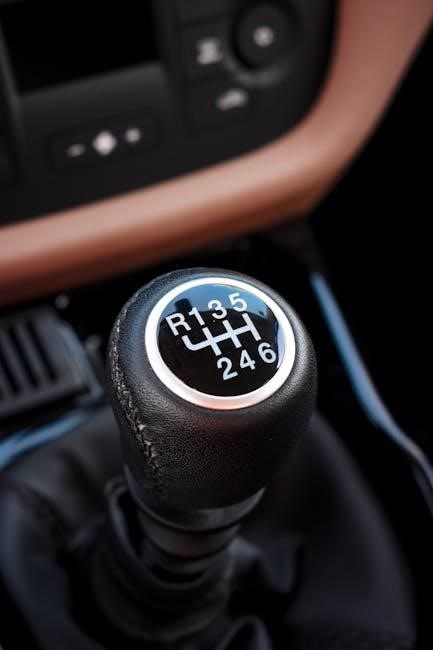
This transition wasn’t immediate. For decades, the manual transmission remained a popular choice, particularly in performance-oriented models. The introduction of the Impreza WRX and STI in the 1990s solidified the manual transmission’s place within Subaru’s performance identity. These models catered to a driving demographic that actively sought the control and responsiveness a manual gearbox provided.
Over time, the prevalence of manual transmissions gradually decreased as Subaru focused on fuel efficiency and broader market appeal. The rise of CVTs, offering seamless acceleration and improved fuel economy, contributed to this shift. Despite this trend, a dedicated following continues to advocate for the preservation of manual transmissions in Subaru vehicles, valuing the connection and control they offer.
Early Subaru Manual Transmission Offerings (Pre-2000s)
Prior to the year 2000, Subaru vehicles overwhelmingly featured manual transmissions as the standard configuration. Early models, like the Leone and the original Outback, almost exclusively offered a 5-speed manual gearbox. Automatic transmissions were available, but often as a less common, upmarket option. This period established a strong association between Subaru and driver-focused control.
These early Subaru manual transmissions were known for their robust construction and relatively simple design, contributing to the brand’s reputation for reliability. The gear ratios were typically tuned for a balance of everyday drivability and off-road capability, reflecting Subaru’s all-wheel-drive heritage.
As the 1990s progressed, Subaru began to experiment with different manual transmission configurations, including variations in gear ratios to optimize performance for specific models. However, the core principle of offering a readily available, engaging manual experience remained consistent. This foundation laid the groundwork for the more sophisticated manual transmissions found in later performance models like the WRX and STI.
The Subaru WRX and STI: The Manual Transmission Stronghold
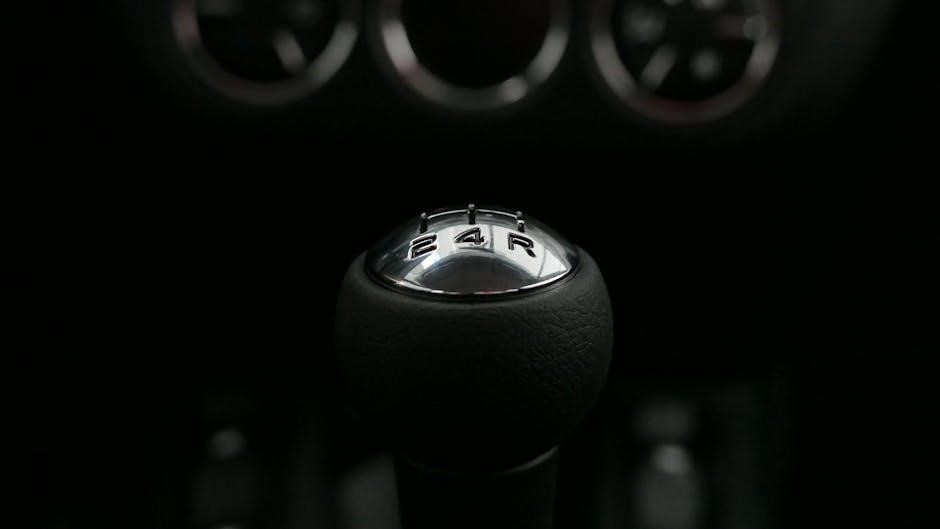
The Subaru WRX and, particularly, the STI, became synonymous with manual transmissions, serving as the last bastions for enthusiasts seeking a direct connection to their vehicle. Throughout much of their history, a 6-speed manual gearbox was a core component of the WRX and STI experience, often preferred over the available automatic options.
The STI’s manual transmission, specifically, held a unique position. It wasn’t actually built by Subaru, enhancing its legendary status among dedicated followers. Owners frequently modified these transmissions to handle increased power, with some achieving outputs of 430 bhp while maintaining reliability. This demonstrates the inherent strength and tunability of the gearbox.
Even as manual transmission options dwindled in other Subaru models, the WRX and STI continued to offer it, catering to a dedicated customer base who valued the control and engagement a manual transmission provides. This commitment solidified their reputation as the go-to choices for driving purists within the Subaru lineup.
STI Manual Transmission – A Unique Case
The Subaru STI’s manual transmission stands apart due to a fascinating detail: it wasn’t manufactured by Subaru themselves. This fact is a point of pride for many STI enthusiasts, adding to the mystique surrounding the vehicle and its components. The origin of this transmission remains a notable aspect of the STI’s engineering history.
Despite not being a Subaru-built component, the STI’s manual gearbox proved exceptionally robust and capable. Owners routinely pushed its limits, modifying it to handle significant power increases – one example cited a 2011 STI reaching 430 bhp with the original transmission intact. This showcases its inherent strength and potential for performance upgrades.
The non-Subaru origin doesn’t diminish its reputation; rather, it contributes to the STI’s unique identity. It’s a testament to careful selection and integration of high-quality parts, even if sourced externally, resulting in a transmission beloved by driving enthusiasts for its feel and durability.
Manual Transmission Availability by Subaru Model
Subaru’s approach to manual transmissions varies considerably across its model lineup, reflecting shifting consumer preferences and engineering decisions. Historically, many Subaru vehicles offered a manual option, but this has become increasingly limited in recent years. The availability is now highly concentrated in specific models and trims.
Currently, the Subaru BRZ remains a strong proponent of the manual transmission, catering to driving enthusiasts. The Crosstrek offers a manual, but only on the Base and Premium trims, significantly reducing overall availability – approximately 3,503 out of 70,050 Crosstreks sold feature a manual gearbox.
The Outback and Forester have seen manual transmission options phased out. The Outback discontinued it after the 4th generation (roughly 2010-2014), with rare Canadian imports occasionally appearing on the used market until around 2018. The Forester dropped the manual after the 2018 model year, and the Legacy’s manual availability was similarly limited to earlier generations.
Subaru Crosstrek: Manual Transmission Options and Statistics
The Subaru Crosstrek represents one of the last bastions of the manual transmission within the Subaru lineup, though its availability is notably restricted. Currently, a manual transmission can only be found on the Base and Premium trim levels of the Crosstrek, limiting the options for buyers seeking a traditional driving experience.
Statistical data reveals a relatively low percentage of Crosstreks sold with a manual gearbox. Out of a total of 70,050 Crosstrek models, only 3,503 were equipped with a manual transmission. This indicates a clear preference among Crosstrek buyers for the convenience of an automatic transmission, or more specifically, Subaru’s Lineartronic CVT.
This limited availability suggests Subaru is responding to market demands, focusing production on models with automatic transmissions. Despite the low numbers, the continued offering of a manual transmission in the Crosstrek demonstrates Subaru’s commitment to catering to a niche segment of driving enthusiasts who value the control and engagement of a manual gearbox.
Subaru Outback: The Decline of Manual Availability
The Subaru Outback has experienced a significant decline in manual transmission availability over recent years, mirroring a broader trend within the automotive industry. The current generation Outback exclusively features Subaru’s Lineartronic CVT automatic transmission across all available trim levels, effectively eliminating the option for a traditional manual gearbox.
However, Subaru does offer a degree of driver engagement through an 8-speed manual mode integrated within the CVT. This adaptive control system aims to provide a more connected driving experience, allowing drivers to simulate gear changes and maintain greater control over the vehicle’s performance. While not a true manual, it attempts to bridge the gap for enthusiasts.
Historically, the Outback offered manual transmissions in earlier generations, with the 4th generation (roughly 2010-2014) being the last to provide this option. Limited availability continued in Canada until approximately 2018, with rare instances of 2016 manual models appearing as imports. The discontinuation reflects shifting consumer preferences and Subaru’s focus on CVT technology.

Outback’s 8-Speed Manual Mode (CVT-Based)
While the Subaru Outback no longer offers a traditional manual transmission, Subaru has incorporated an 8-speed manual mode within its Lineartronic CVT system. This feature is designed to provide drivers with a more engaging and controlled driving experience, simulating the feel of a conventional manual gearbox.
The system utilizes adaptive control, allowing the driver to select “virtual” gear changes, influencing the engine’s RPM and responsiveness. It doesn’t replicate the precise control of a true manual, as it’s still fundamentally a CVT, but it offers a degree of driver involvement absent in fully automatic modes.
This 8-speed manual mode aims to appeal to enthusiasts who appreciate a more connected feel behind the wheel, without sacrificing the efficiency and smoothness of a CVT. It allows for a more adventurous ride, enabling a stronger connection between the car and driver, though purists may still prefer a dedicated manual transmission.
Subaru Forester: Discontinuation of Manual Transmission
The Subaru Forester has seen a complete discontinuation of manual transmission options, marking a significant shift in its model lineup. After the 2018 model year, Subaru removed the manual gearbox from the Forester, making it exclusively available with the Lineartronic CVT automatic transmission.
This decision reflects a broader industry trend towards automatics and CVTs, driven by factors like fuel efficiency and consumer preference. While a manual Forester was once a viable option for driving enthusiasts, it is now only available on the used market.
The absence of a manual transmission in the current Forester generation means that drivers seeking a more engaging, hands-on driving experience must look to other Subaru models, such as the BRZ, or explore older Forester generations. This change has narrowed the appeal of the Forester for those who prioritize driver control and a traditional shifting experience.
Subaru Legacy: Manual Transmission – Limited Years
The Subaru Legacy’s availability with a manual transmission was notably limited, primarily concentrated in earlier generations. Specifically, the fourth generation (roughly 2010-2014) represents the last time a manual gearbox was widely offered on the Legacy. After this period, Subaru largely phased out the manual option for this model.
Finding a manual Legacy post-2014 is exceptionally rare, with occasional instances of Canadian imports surfacing in the North Eastern United States. One such 2016 model was reportedly for sale, highlighting the scarcity of these vehicles. The discontinuation mirrors the trend seen in other Subaru models, prioritizing CVT transmissions.
This limited availability means that enthusiasts seeking a manual Legacy must focus on the used market and be prepared for a potentially lengthy search. The Legacy’s manual transmission history is a testament to the declining demand and Subaru’s shift towards automatic and CVT options.
Subaru BRZ: A Modern Manual Transmission Offering
The Subaru BRZ stands out as a contemporary example of Subaru continuing to offer a manual transmission, catering to driving enthusiasts who prioritize engagement and control. Unlike many other models in Subaru’s lineup where manual options have been discontinued or limited, the BRZ consistently provides a six-speed manual gearbox as a standard or readily available choice.
This commitment to a manual transmission underscores the BRZ’s focus on the driving experience, positioning it as a sports car alternative within the Subaru family. It allows drivers to fully connect with the vehicle and enjoy the tactile feedback of shifting gears.
The BRZ’s manual transmission is a key selling point for those seeking a pure and engaging driving experience, differentiating it from Subaru’s increasing reliance on CVT technology in other models. It represents a continued nod to traditional driving preferences.
Canadian Market Subaru Manual Transmissions
The Canadian market historically offered a slightly broader range of Subaru models with manual transmissions compared to the United States, particularly in recent years. While availability has generally declined across the board, certain models retained manual options for a longer period in Canada.
For instance, the Subaru Outback and Legacy, which saw manual transmission availability phased out earlier in the US, continued to be offered with a manual gearbox in Canada until approximately the 2018 model year. A rare 2016 manual Outback surfaced for sale in the Northeast, being a Canadian import, highlighting this difference.
This extended availability catered to Canadian drivers who demonstrated a continued preference for manual transmissions. However, even in Canada, the trend towards automatic and CVT transmissions ultimately led to the discontinuation of manual options in most Subaru models, mirroring the global shift in consumer demand.
Reasons for the Decline in Subaru Manual Transmission Availability
Several factors contribute to the dwindling availability of manual transmissions in Subaru’s lineup. A primary driver is shifting consumer preference; the majority of buyers now favor the convenience and ease of use offered by automatic and, increasingly, Continuously Variable Transmissions (CVTs).
Manufacturers respond to market demands, and as demand for manuals decreases, production costs per unit increase, making them less economically viable. Furthermore, the integration of advanced safety features like Subaru’s EyeSight often functions more effectively with automatic transmissions, influencing vehicle design.
CVT technology has also improved significantly, offering enhanced fuel efficiency and a smoother driving experience, further diminishing the appeal of traditional manual gearboxes. Subaru, like other automakers, is prioritizing features that appeal to a broader audience, leading to a focus on automatic and CVT options.
The Appeal of Manual Transmissions in Subaru Vehicles
Despite declining availability, manual transmissions retain a strong appeal for many Subaru enthusiasts. The primary draw is the enhanced driver engagement and sense of control offered by a direct mechanical connection to the vehicle. Drivers appreciate the ability to select gears precisely, tailoring the driving experience to their preferences and road conditions.
For performance-oriented models like the WRX and STI (historically), a manual transmission was often considered essential, allowing for quicker shifts and a more visceral driving experience. Many enthusiasts believe a manual gearbox unlocks the full potential of Subaru’s turbocharged engines.
Beyond performance, some drivers simply enjoy the tactile feedback and involvement that a manual transmission provides. It fosters a deeper connection with the car, making driving more rewarding and enjoyable, even in non-performance applications like the Crosstrek’s base trims.
Reliability of Subaru Manual Transmissions
Based on long-term Subaru ownership experiences, manual transmissions generally exhibit strong reliability. Reports suggest that owners with decades of experience across multiple Subaru models, including eleven total vehicles, have rarely encountered issues necessitating a dealership visit. This positive track record contributes to the continued preference for manual gearboxes among dedicated Subaru drivers.
While specific data on manual transmission failure rates is limited, anecdotal evidence points to their robustness, particularly when compared to the complexities of continuously variable transmissions (CVTs). The simpler mechanical design of a manual gearbox inherently reduces the number of potential failure points.
However, like any mechanical component, proper maintenance – including regular fluid changes – is crucial for ensuring the longevity of a Subaru manual transmission. Clutch wear is a normal part of operation and will eventually require replacement, but this is considered a standard maintenance item rather than a sign of inherent unreliability.
Comparing Subaru Manual Transmissions to CVT Transmissions
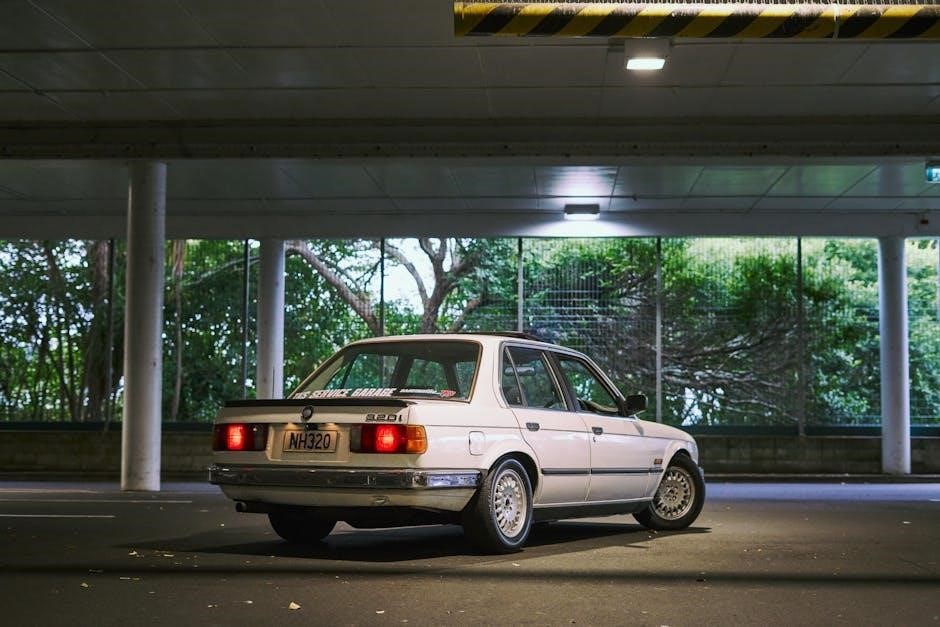
Subaru has increasingly favored continuously variable transmissions (CVTs), like the Lineartronic, over traditional manual gearboxes. While CVTs offer fuel efficiency and smooth operation, they differ significantly from the direct mechanical connection of a manual transmission. Some drivers appreciate the engaging feel and control offered by a manual, allowing for a more connected driving experience.
CVTs, while generally reliable based on recent owner experiences with seven Subaru vehicles, operate differently, utilizing belts and pulleys to provide a seamless range of gear ratios. This contrasts with the fixed gear ratios of a manual transmission.
The Outback, for example, now exclusively features a CVT with an 8-speed manual mode, attempting to bridge the gap for drivers seeking some level of control. However, this simulated manual mode doesn’t replicate the full engagement of a true manual gearbox. The choice ultimately depends on individual driving preferences and priorities.
Future of Manual Transmissions in Subaru’s Lineup
The outlook for manual transmissions in Subaru’s future vehicle offerings appears increasingly limited. Recent trends demonstrate a clear shift towards CVT technology across most models, including the Outback and Forester, where manual options have already been discontinued after specific model years like 2018 and 2018 respectively.
While the Subaru BRZ remains a notable exception, continuing to offer a manual transmission for driving enthusiasts, its availability doesn’t necessarily signal a broader resurgence of manuals within the lineup. The demand for manual transmissions is dwindling, influencing Subaru’s production decisions.
For those seeking a manual Subaru, the used market will likely become the primary source. Canadian market vehicles, offering manuals for a slightly longer period, might present additional opportunities. However, new Subaru vehicles with manual transmissions are becoming increasingly rare, signaling a potential phase-out in the coming years.
Where to Find Subaru Vehicles with Manual Transmissions (Used Market)
Locating Subaru vehicles equipped with manual transmissions increasingly relies on the used car market. Models like the Subaru Outback and Legacy, which discontinued manual options around 2014-2018, are prime candidates for searching, though availability diminishes with each passing year.
Specifically, enthusiasts might find earlier fourth-generation Legacy models (roughly 2010-2014) with manual transmissions. A rare find mentioned was a 2016 manual Outback, a Canadian import, highlighting the potential for cross-border searches. Canadian listings generally offered manuals for a longer duration, extending into approximately 2018.
Online platforms like AutoTrader, Craigslist, and Facebook Marketplace are valuable resources. Specialized Subaru forums and enthusiast groups often feature classifieds sections. Be prepared for potentially limited inventory and higher prices for well-maintained, manual-transmission Subarus, especially the sought-after STI models.
Resources for Subaru Manual Transmission Enthusiasts
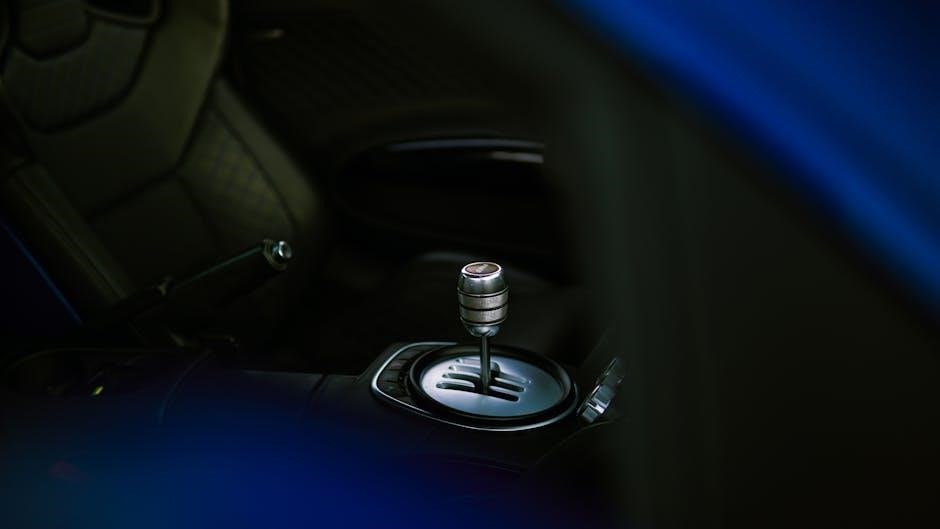
For Subaru enthusiasts dedicated to manual transmissions, a wealth of online and community-based resources exists. Subaru-specific forums, such as those found on SubaruImpreza.com or NASIOC (North American Subaru Impreza Owners Club), provide platforms for discussion, troubleshooting, and parts sourcing.
These forums often host dedicated threads focused on manual transmission maintenance, upgrades, and common issues. Facebook groups centered around Subaru models (e.g., Subaru WRX/STI groups, Subaru Crosstrek groups) also foster active communities where enthusiasts share knowledge and experiences.
YouTube channels specializing in Subaru repair and modification frequently feature content related to manual transmissions. Websites offering Subaru parts, like RallySport Direct or Subispeed, can provide technical information and aftermarket components. Finally, local Subaru clubs often organize meetups and technical workshops, offering hands-on learning opportunities.